
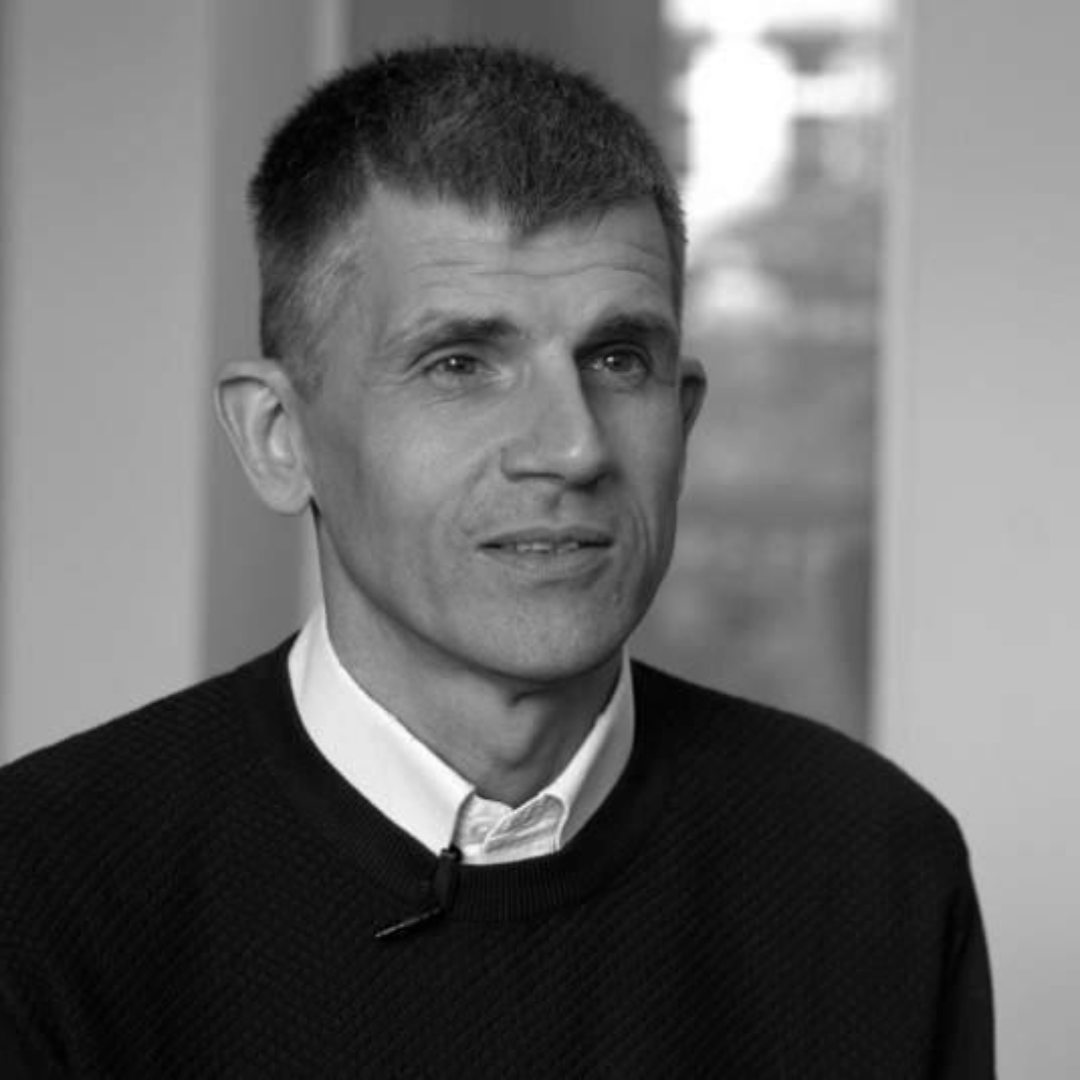
Welcome to CIHT's 8 Questions, where we ask figures in the sector the questions every business leader and ambitious professional wants answered. In this edition we ask Jen Sweeney, Corporate Engagement Manager and Dave Smith, Engagement Manager - South East at Thomas Pocklington Trust, what are the key challenges that blind and partially sighted people face when navigating transportation services and shared public spaces and how individuals and organisations can ensure that transportation becomes an empowering experience for blind and partially sighted individuals.
In partnership with the Thomas Pocklington Trust we have developed the essential eLearning course Designing highways and transportation for blind and partially sighted people.
Join other savvy professionals just like you at CIHT. We are committed to fulfilling your professional development needs throughout your career
Thomas Pocklington Trust champions equality for blind and partially sighted people. Over half of our staff and 200+ volunteers have lived experience of sight loss, enabling us to drive meaningful change.
We focus on key life milestones, education, employment, and wellbeing, while advocating for policy reforms and systemic improvements. Our Sight Loss Councils act locally, while we influence national policy and fund initiatives that promote inclusion and accessibility.
Through partnerships, campaigns, and services, we empower blind and partially sighted individuals to live independently and shape a more inclusive society.
With over 2 million people in the UK affected by vision impairment, set to double by 2050, accessibility is crucial. TPT, alongside RNIB and Guide Dogs, commissioned the VI Lives report (2022), shaping our #MakeTransportAccessible and #MakeStreetsAccessible strategy. The report, based on lived experience, revealed that 1 in 4 vision impaired people rarely leave home due to poorly designed streets and transport systems.
Building on our bus driver vision impairment awareness work, endorsed by the Confederation of Passenger Transport, and aligned with the DVSA’s Driver Certificate of Compliance, we partnered with CIHT to develop a course that ensures professionals in highways and transportation understand vision impairment and embed accessibility from the outset.
Find out about the course Designing highways and transportation for blind and partially sighted people. This course is free to CIHT fee paying members.
The course provides a comprehensive understanding of vision impairment, its impact, and relevant disability legislation. It equips participants with skills to communicate effectively with blind and partially sighted individuals and navigate accessibility challenges in the built environment.
We highlight inclusive transport solutions, the role of lived experience in co-design, and strategies to integrate accessibility into everyday planning, ensuring transport systems become truly inclusive.
This course is unique in design, having been developed by blind and partially sighted staff and volunteers at Thomas Pocklington Trust and Sight Loss Councils, the course is rich in lived experience. It blends real-life stories, both positive and challenging, with practical insights, making it both engaging and impactful. Driven by a passion for accessibility, it aims to create lasting change in how transport is designed and experienced.
Navigating streets and public transport can be quite challenging for blind and partially sighted people. While everyone’s experience is different, some common obstacles include uneven pavements caused by tree roots and weeds, street clutter like benches and bins, and outdoor dining setups that block safe routes. Pavement parking and overgrown vegetation also make walking difficult. On public transport, hailing a bus is tough, and accessing timetable information can be tricky due to inaccessible apps and websites, with some drivers not fully understanding the needs of blind and partially sighted passengers. Trains are generally more accessible thanks to Passenger Assistance, but navigating train stations can still be difficult due to hazards and large, open spaces. Additionally, routes connecting different modes of transport, like from a bus stop to a train station, often have obstacles and lack proper crossing points, making the journey even more challenging.
The interviews throughout the course share unique insights, stories and experiences from people that live with a vision impairment. They demonstrate the diverse accessibility features that good, thoughtful and considered planning could provide to ensure an equal environment for all.
It is hoped that organisations will use this course as part of their staff inductions and ongoing personal development to raise an awareness within their organisation about the needs of blind and partially sighted people. We hope that the course will provide a lasting impression and instil empathy with key people that plan, design and create the environment that we live in and that, as a result of their learning, will consider all forms of accessibility within their daily tasks and build this in from the outset.
Leaders today need to prioritise accessibility from the start of any project, rather than treating it as an afterthought or cutting it if budgets run tight. While there’s been progress in integrating accessibility into project designs, more can be done. It’s crucial to consult and listen to people with lived experiences at every stage to ensure the final product is as accessible as possible. Consistency in accessibility standards is also important, as it aids in easier navigation and builds confidence for independent travel. This shift in focus helps create inclusive environments that benefit everyone.

The opinions expressed in this article are those of the authors. They do not purport to reflect the opinions or views of the CIHT or its members. Neither the CIHT nor any person acting on their behalf may be held responsible for the use which may be made of the information contained therein.


Join other savvy professionals just like you at CIHT. We are committed to fulfilling your professional development needs throughout your career