
This month we have been reflecting on 2022 and the conversations shared by CIHT members on CIHT connect. One issue that is still being talked about is abandoned dock less e-bikes and e-scooters. CIHT members sparked debate and were concerned with the accessibility issues the bikes have been causing within the UK and Europe.
Join other savvy professionals just like you at CIHT. We are committed to fulfilling your professional development needs throughout your career
A report from the RNIB (Royal National Institute of Blind People) also highlighted the increasing difficulties that blind and partially sighted people are facing when trying to use the streets, with the increase of e-bikes and e-scoters being one of the main issues.
CIHT staff noted the number of abandoned bikes they had seen in and around London and members have commented on the issue across the UK and other European cities. So, we want to try and shed some light on the topic and what local authorities and bike hire companies are doing to address the issue.
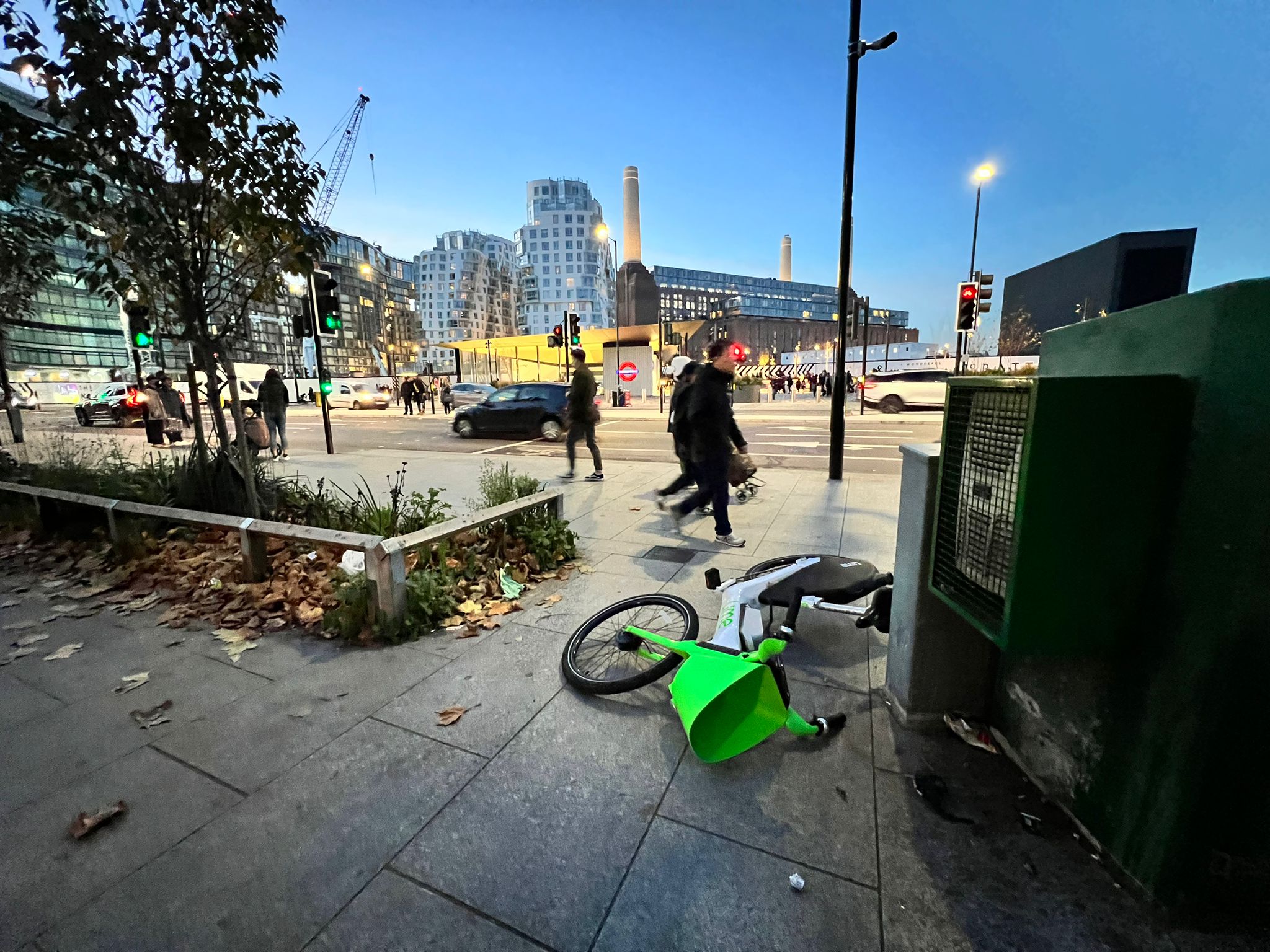
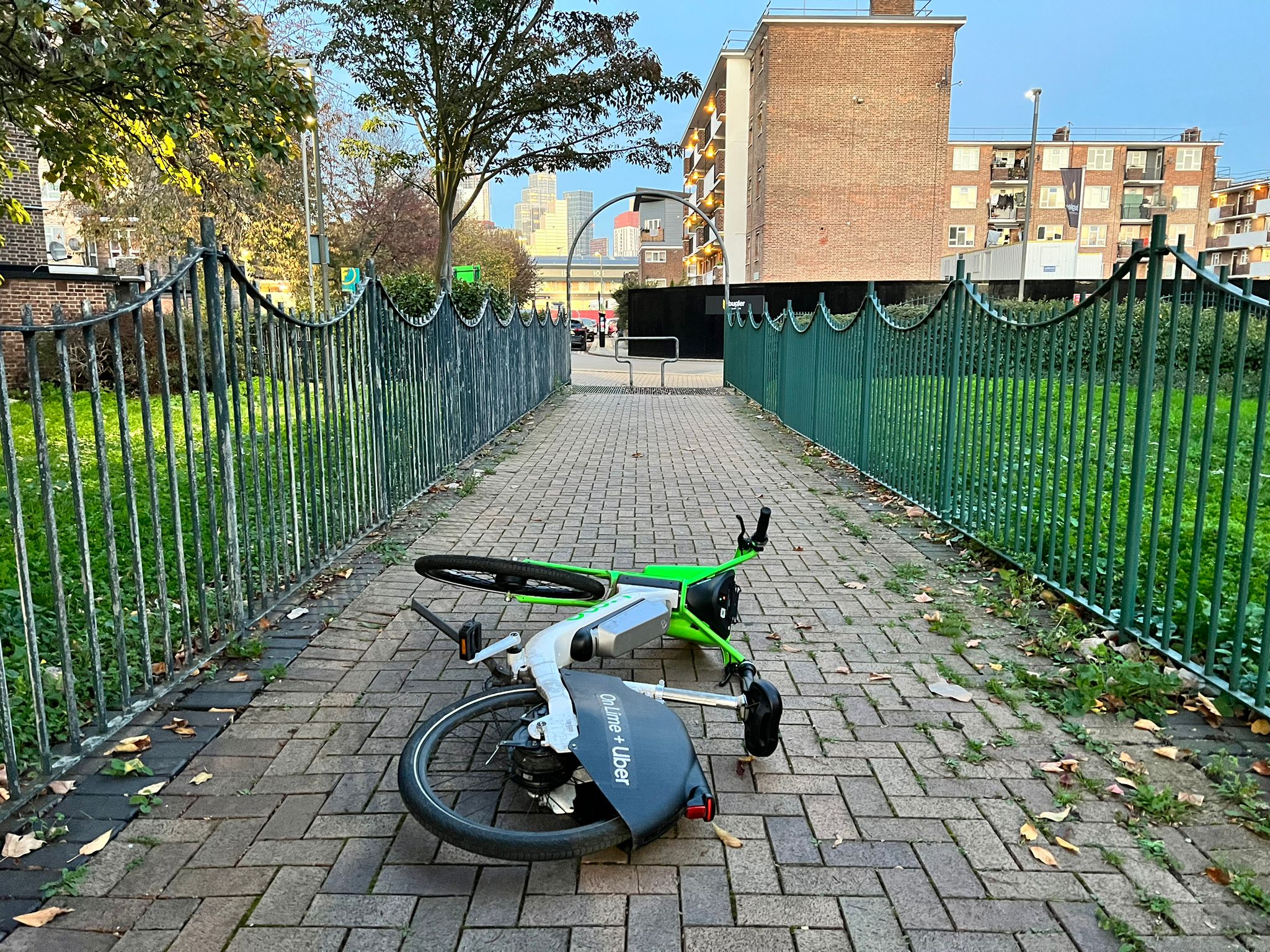
Throughout recent years hiring a bike or scooter to get you from A to B has become increasingly popular and the number of rental companies has increased. TfL's cycle hire scheme saw more than 10,900,000 hires in 2021 alone. In turn, many European cities have seen an increase in dock-less hire bikes being abandoned on paths and roads. With no docking location it is up to the rider where they leave their bike within a certain zone, however as pictured, this is often in the middle of pavements.
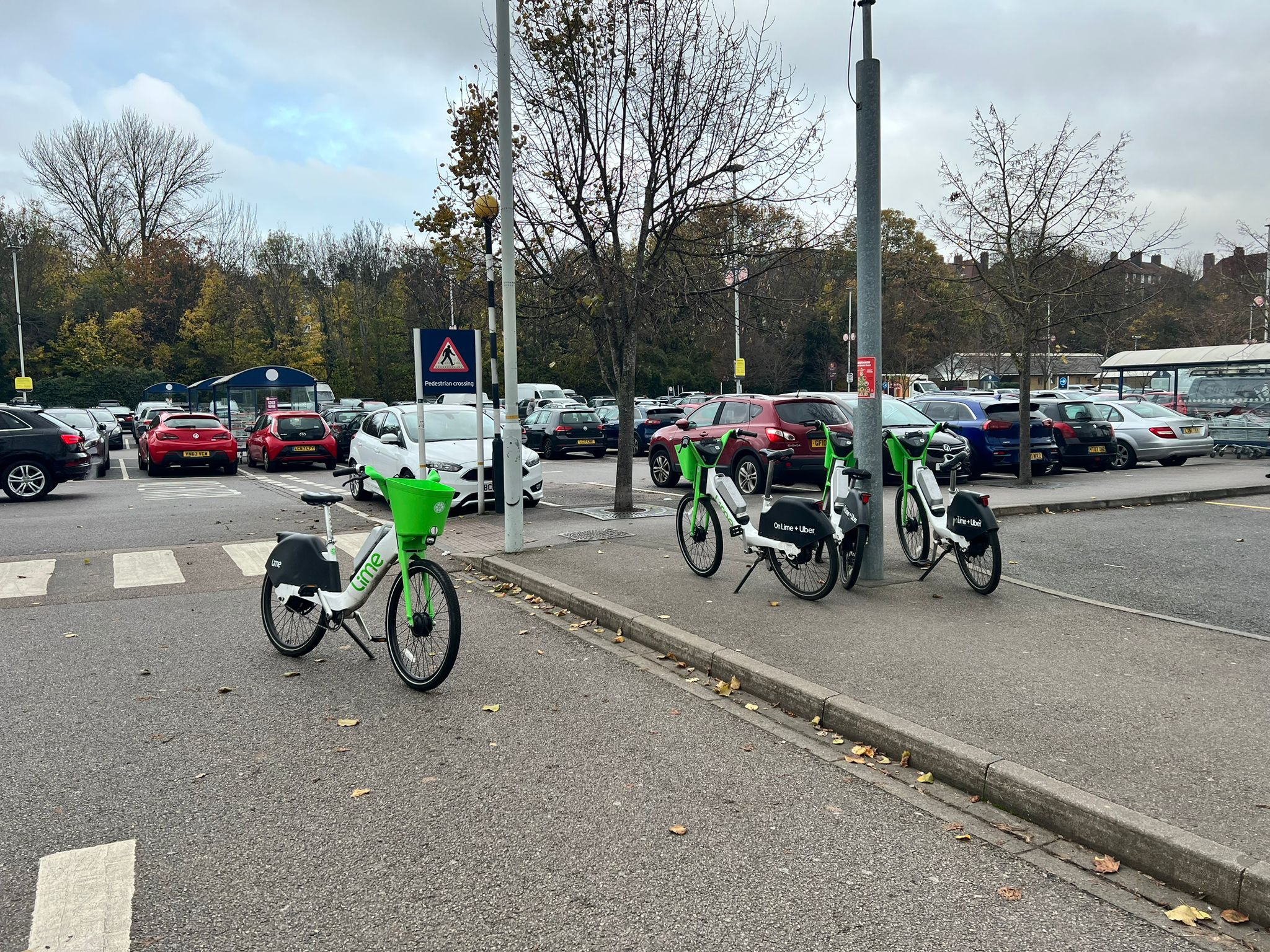
For example, London based start-up Human Forest request that you must end your ride in a green bay to avoid paying any parking fees. Customers are asked to not leave bikes on: cycle or pedestrian walkways/pathways, accessibility ramp, hospital entrances, fire station, inside gated communities or on private property. However, there is no fine in doing so, provided it left in a green bay.
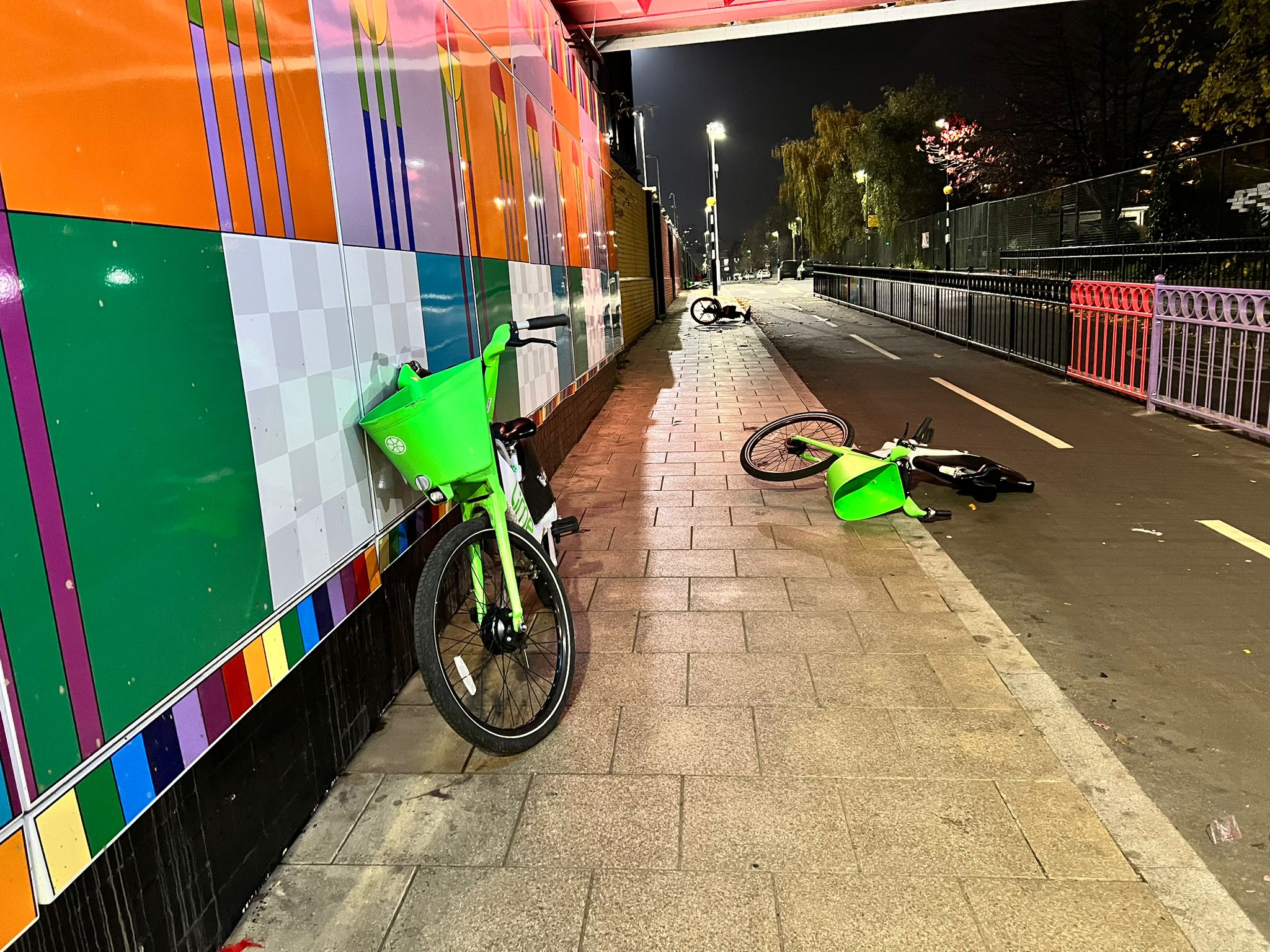
Recently, Lime, a bike rental company part of a London-wide initiative were told by Wandsworth and Westminster councils that they will be seizing any bikes unless they do more to stop bikes being dumped in the borough. The councils were forced to act after receiving a flood of complaints and residents in wheelchairs and people with prams have had to move into the road to pass by.
Lime told CIHT: “We understand the importance of not obstructing pavements and other shared spaces, particularly for those with access needs and have introduced a number of policies to more effectively manage bikes parked inconsiderately.
“These include: GPS-based no parking zones, mandatory end trip photos to help review rider parking, an enhanced system of rider education, warnings, fines and bans and a 50% increase in our out of warehouse team size to help retrieve obstructive vehicles even faster.
“We have also launched a London-wide out of home advertising campaign to educate riders on best parking practices.”
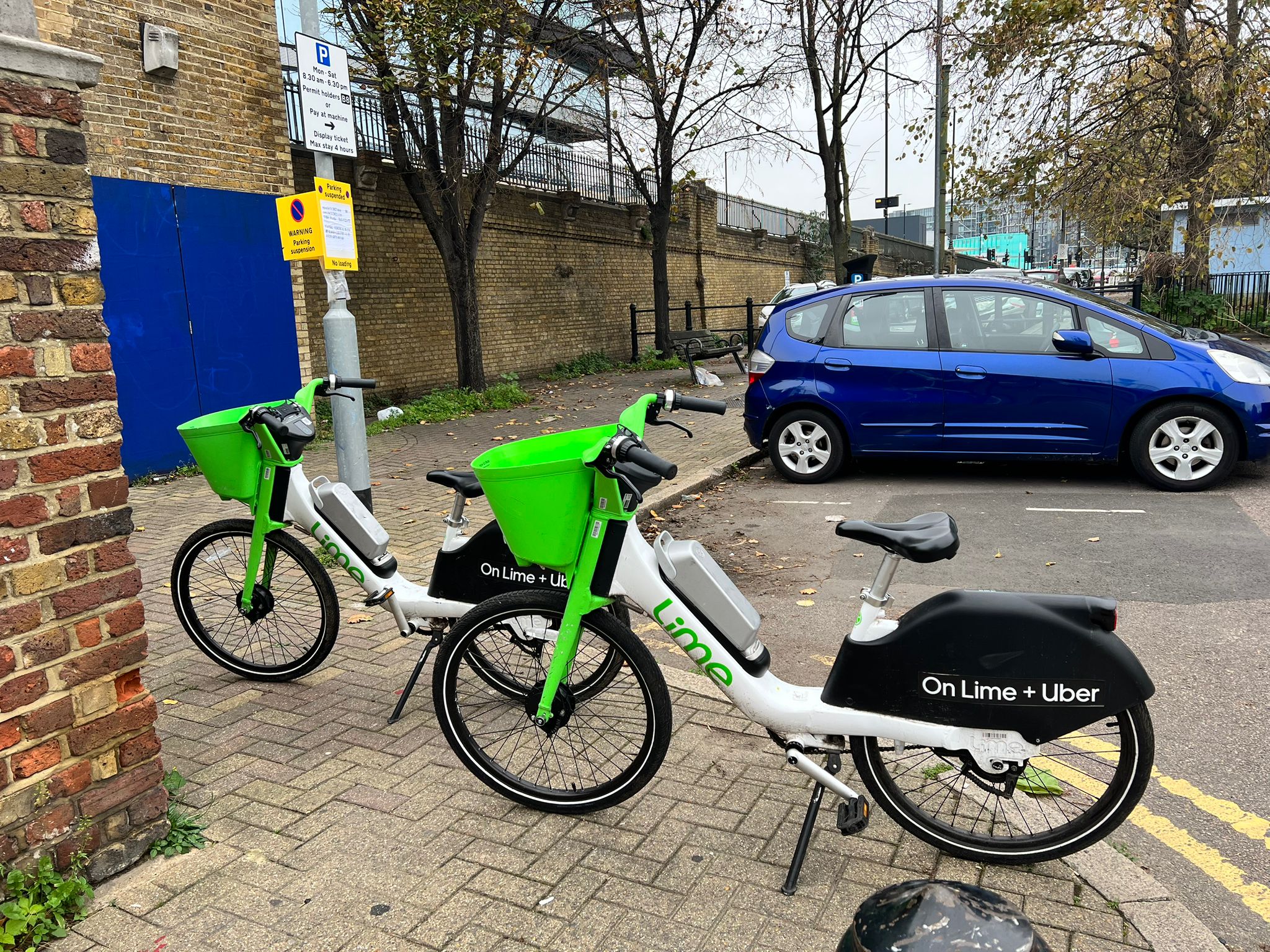
It is no surprise the residents of London are using rental bikes rather than buying their own, after the capital was named the worst region for bike thefts in England and Wales. Using police records, cycling insurer Bikmo found London came out as the worst region in England and Wales for stolen bikes, with an average of 390 thefts per 100,000 people.
The connect conversation went on to discuss what Paris has done as a city to enhance safety. Dott, Lime and Tier, the three micro mobility operators in Paris unveiled 11 measures to improve e-scooter integration following a request for proposals by Paris City Hall. The proposals included: vehicle registration plates, removing users who repeatedly violate the highway code and an education campaign produced by all three operators to raise awareness of highway code laws and responsible use. Many of the 11 measures were supported by CIHT members.
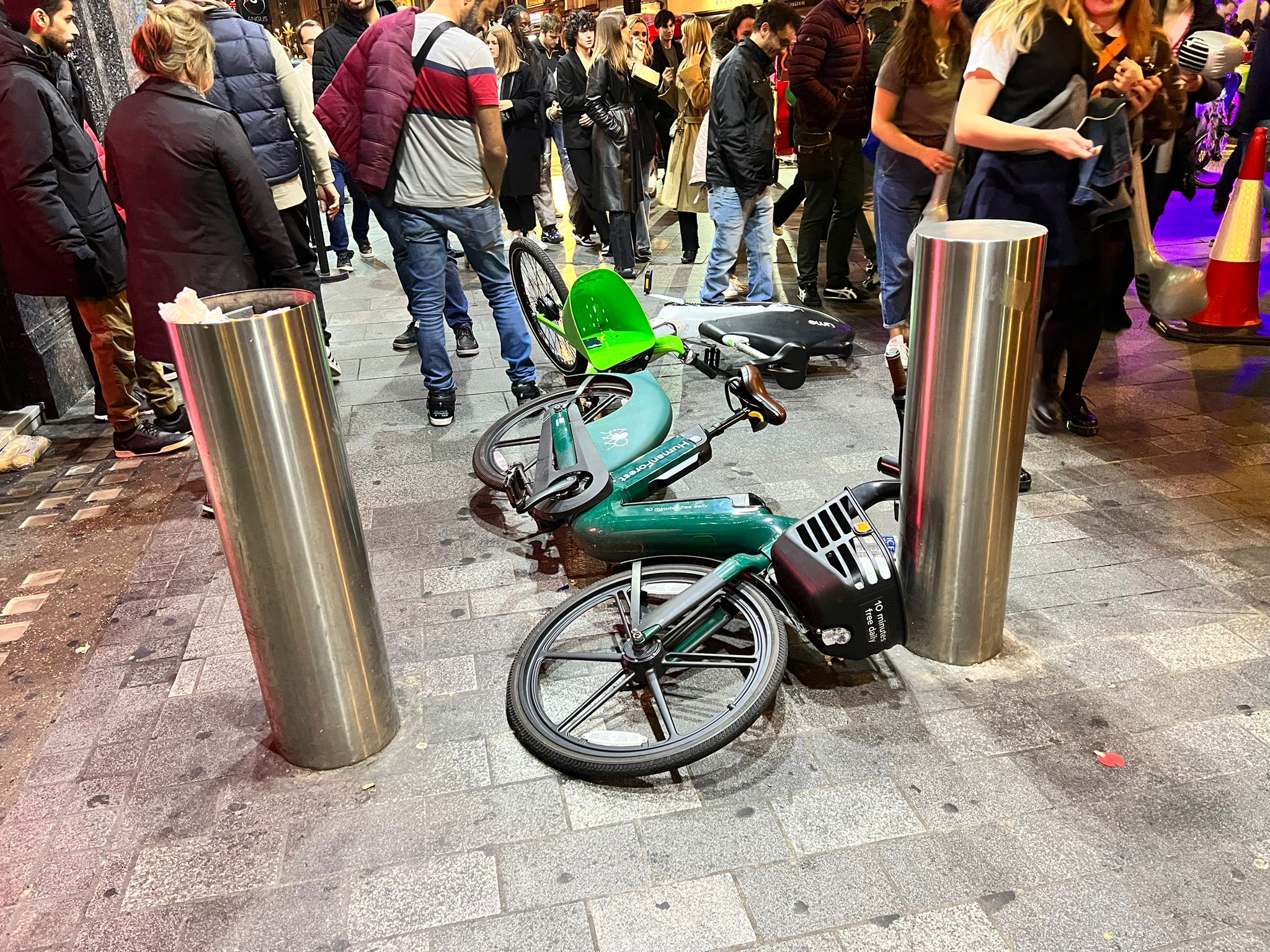
The RNBI (Royal National Institute of Blind People) has also issued advice to local authorities who are hosting e-bike and e-scooter with their boroughs and counties. With one of their recommendations being that there must be requirements for the safe parking of e-scooters.
Lindsay Coyle, RNIB Regional Campaigns Manager, said: “We need everyone to understand how riding bikes or e-scooters on pavements and pedestrian spaces can be dangerous and intimidating for people with sight loss. Rental bikes and e-scooters left parked on pavements are a trip hazard which can cause injuries and damage confidence.” Read the full advice here.
Given the current climate crisis, offering carbon-free travel options is vital for sustainable living. It is also important to have accessible and affordable methods of transport. However, to ensure longevity of such travel options, a plan needs to be put in place to make sure e-bikes aren’t causing accessibility issues for other members of the community.
For people with mobility issues e-bikes being left carelessly in the middle of pavements makes getting about in their local area difficult. One suggestion by many members was to have docking stations for e-bikes and e-scooters another was that there needs to be more studying done on the usage and problems in order to have a more accurate and purposeful solution.
If you would like to get involved join in the conversation here on CIHT Connect.


Join other savvy professionals just like you at CIHT. We are committed to fulfilling your professional development needs throughout your career
{{item.AuthorName}} {{item.AuthorName}} says on {{item.DateFormattedString}}: