
In the latest CIHT webinar on the Future of Consultation and Engagement, we were joined by Dan Phillips, Innovation Fellow, Intelligent Mobility Design Centre at the Royal College of Art. In this webinar, we discussed the need to shift the way we consult and engagement, through the use of digital tools, story mapping and citizen panels. This guest blog, from Dan, expands on this conversation as highlighted through the Our Future Towns project produced by RCA with support from CIHT, amongst others.
Join other savvy professionals just like you at CIHT. We are committed to fulfilling your professional development needs throughout your career
We’re facing multiple and overlapping environmental, public health and socio-economic challenges and we’re trying to solve them through traditional and technocratic approaches that have made transport planning an opaque and, dare we say this, a boring topic for many people who live in and experience the consequences of planning in their everyday and future lives.
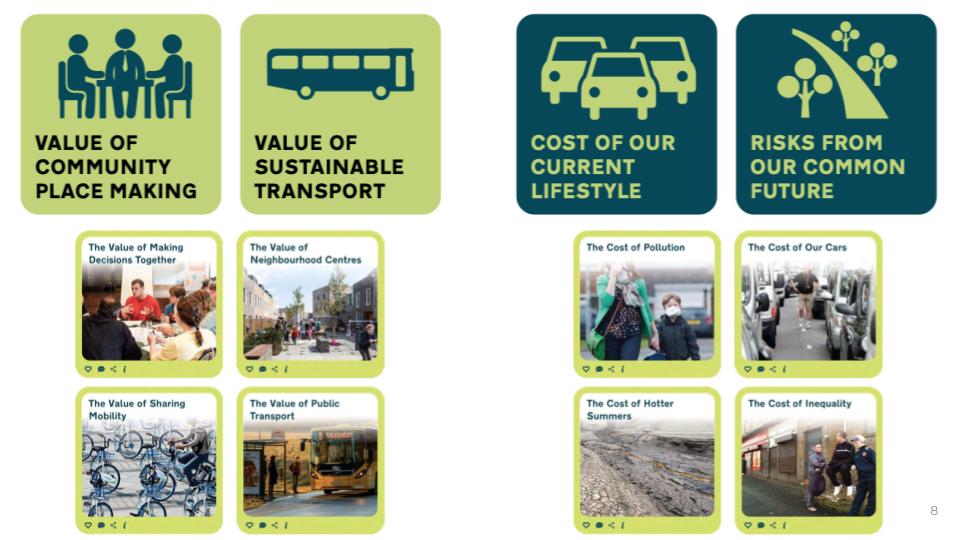
Through our work with smaller towns around England, and with the support of CIHT, RTPI and TPS amongst others, we developed an approach to community engagement that puts citizen participation at the heart of the planning process. We asked people to be thoughtful and creative; to think about everyone's wellbeing in the future and to help their communities become healthier, more vibrant, inclusive and resilient.
Source: Our Future Towns, RCA
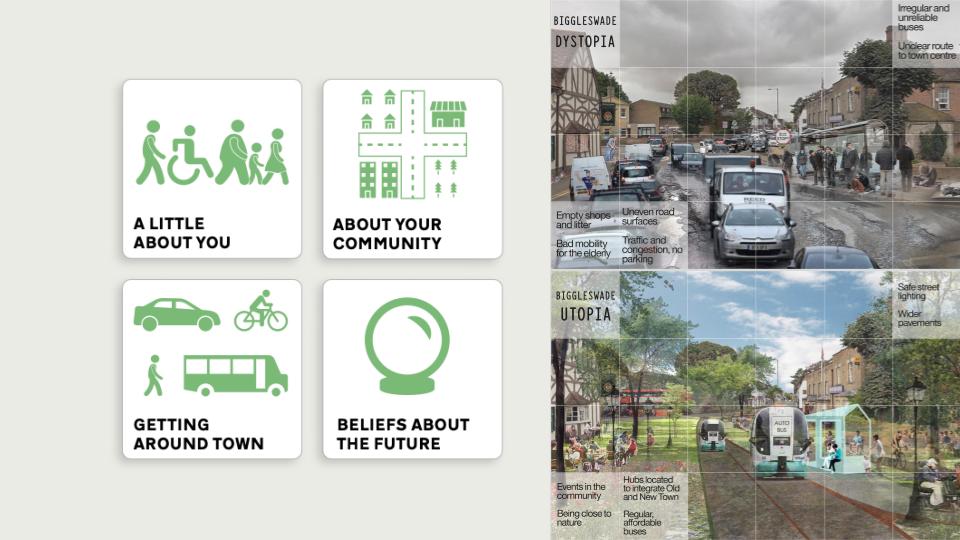
We wanted to hear about their values and ambitions as well as their experience and feelings about their towns, how they get around and the future. How would they describe their ideal town and what skills and knowledge could they provide to help make this happen?
As one of our professional participants explained, “Residents actually have answers to so much, but the engagements and consultations that we do are, kind of, do we put this bridge here or here? How should we design this parapet?”
“We’ve got all these policies and strategies, all the documents we could possibly ever want… but how do we share it?” Might utopias and dystopias based on real concerns and aspirations get everyone to respond?
Source: Our Future Towns, RCA
Donella Meadows, the author of Limits to Growth and Thinking in Systems explains that “Folks who do systems analysis have a great belief in leverage points. These are places within a complex system where a small shift in one thing can produce big changes in everything. This idea is not unique to systems analysis — it's embedded in legend.” [1]
Perhaps reductive approaches like ‘predict and provide’ and ‘scenario planning’ are the elements in the transport system that need to ‘shift’ in order to create radical change?
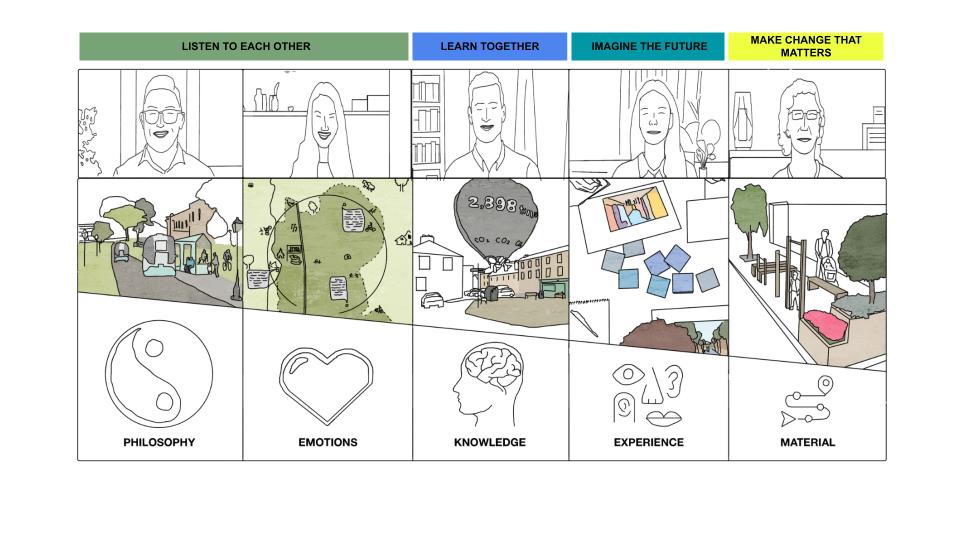
And if they are going to shift, what will replace these technical approaches? The transport sector is now responsible for 27% of the UK's total emissions and over 90% comes from our roads. We can use modelling to show what we need to do, but we can’t use data to convince people to change. Instead, we need to carefully understand how people’s philosophies and feelings are embedded in lived experience, bring knowledge to life through non-technical language and visualisations and give people the tools to take part in their community’s future together.
The challenge for us all is that changing hearts and minds is not simply about ‘engagement’ but about participation and real participation can only happen if we approach our communities not with answers but with questions, not just with information but with knowledge and not just with solutions but imagination.
Source: Our Future Towns, RCA
If you would like to be involved in future conservations on engagement, CIHT will be hosting the first Monthly Masterclass webinar on Social Value: Challenges & Opportunities for the Sector. This webinar will take place on 20th January 2022 from 13:00-14:00 and tickets for this webinar are still available, so please sign up.
[1] Meadows, Donella H. "Leverage points: Places to intervene in a system." (1999): 980989.
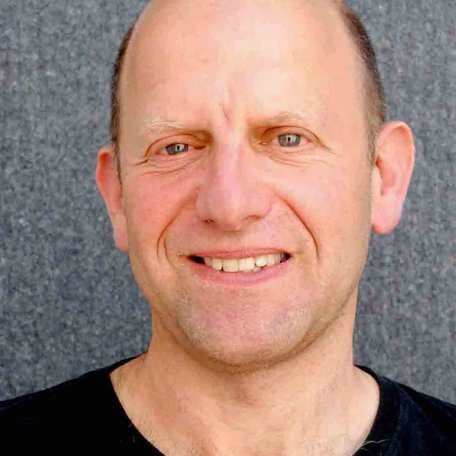
Dan Phillips, Innovation Fellow, Intelligent Mobility Design Centre, Royal College of Art.


Join other savvy professionals just like you at CIHT. We are committed to fulfilling your professional development needs throughout your career
{{item.AuthorName}} {{item.AuthorName}} says on {{item.DateFormattedString}}: