
In the latest CIHT Guest Blog, as part of World Alzheimer's Day, Kirstie Kalonji, Sector Engagement Policy Manager at Alzheimer’s Society highlights four areas the highways and transportation sector must act on to deliver safe and inclusive communities for all.
Join other savvy professionals just like you at CIHT. We are committed to fulfilling your professional development needs throughout your career
Less than half of people with dementia say they feel part of their community. Transportation can help to change this. Access to essential and non-essential activities and services can support them to live an active and independent life
People with dementia face a range of challenges across transport. These may include difficulties with planning a journey, navigating a station, and getting on and off vehicles. It is important that all areas of transport are geared up to support people with dementia. Enabling them to remain independent and stay connected with their friends, families and communities is hugely important.

Kirstie Kalonji, Sector Engagement Policy Manager at Alzheimer’s Society
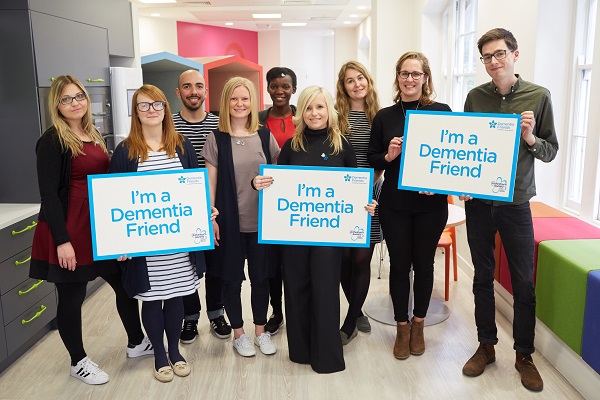
>>> Visit the Alzheimer’s SocietyThe most important aspect of travel for people affected by dementia is to find a friendly and understanding face, who is ready to assist if needed. Therefore, dementia awareness training for travel staff is essential, and likely to be the greatest support for people living with dementia when travelling on public transport. Dementia Friends is Alzheimer’s Society’s dementia awareness initiative that can be shared throughout your organisation or embedded within training to help all staff become aware of those affected by dementia. Many transport providers, such as West Midlands Railway have already taken action.
Disabilities can be invisible and knowing a bus driver understands that... makes all the difference!
Person living with dementia
The need for increased understanding about dementia is not just important for front facing staff. It plays an integral role in the design of inclusive physical environments, processes, and technology, such as signage and lighting, quiet spaces, booking systems and applications. Alsager rail station is one of the many stations taking steps to welcome people living with dementia who may have visual difficulties, like misperceptions (identifying one thing as something else) or struggling to remember or process certain information.
I get more flustered with remembering how to use my PIN & ticket machines really confuse me
Person living with dementia
The Dementia Friendly Business Guide details environmental and process guidance, and our digital design guidelines can be found here. Nevertheless, before going ahead with any changes or new work across these areas, involving people affected by dementia, is absolutely vital. We encourage transportation professionals to listen to the voices of people with dementia at all stages of design, so they can create inclusive and supported travel experiences as valued and respected customers.
Filling in forms and going online can be a barrier for a lot of people with dementia. Remember that there are a lot of groups (focus groups) of people living with dementia who can give their feedback.
Person living with dementia
Given that Covid19 and climate action have brought forward the increased use of cycles and scooters, local areas must continue to be innovative in the face new challenges. However, street space is an aspect of increasing concern for people affected by dementia, since the plans to allow scooters and cycles on pedestrian only spaces have not been done so with people with dementia in mind.
My wife would freeze at the mention of having to walk on the pavements when we would go out. They (cyclists) need a proper lane. Injuries can be devastating as we age and especially for someone with dementia.
Person affected by dementia
Much like public transport, too often people affected by dementia are involved too late in street space planning. When local councils are developing street spaces, long-term consultation with people affected by dementia is required.
There are over 850,000 people living with dementia in the UK, two thirds of which live in the community. These people are at greater risk of social isolation and loneliness, with difficulties in accessing essential goods and services – often impacting their health and wellbeing. The need for transportation to work with other key sectors, such as housing, is essential in supporting people with dementia stay active, access services, and feel like a valued part of their community - one of society’s biggest growing challenges.


Join other savvy professionals just like you at CIHT. We are committed to fulfilling your professional development needs throughout your career
{{item.AuthorName}} {{item.AuthorName}} says on {{item.DateFormattedString}}: