
This is a fantastic opportunity to hear and support some of the top emerging talent in the South West as they present on a wide and varied range of topics to see who will reach the final of the presentation competition in May.
In this session, we will hear from three rising stars providing fresh perspectives on issues affecting the sector. This is an ideal moment to support emerging professionals in your region, to offer guidance and reflect on the work they are already embarking on.
Looking to attend both heats?
Book to attend the South West EPPC 2026 Heat 1
Anyone is welcome to join this free event.
 |
Christopher Huxtable - Transport Modeller, WSP Benchmarking Pedestrian Crossings at JunctionsPedestrian mobility and safety at signalised junctions are critical components of urban transport planning, yet international design standards for pedestrian crossing systems vary widely in geometry, signalisation standards, and user hierarchy. For the first time, crossing systems from around the world are tested as part of a UK road network. Microsimulation modelling and qualitative analysis is used to benchmark the performance of seven pedestrian crossing types at signalised junctions that are not part of UK standard design, yet are used in many cities globally. The results and conclusions show promising results that indicate some of the tested crossing systems should be considered for implementation at junctions in the UK, with significant benefits in user safety, comfort and experience forecasted. |
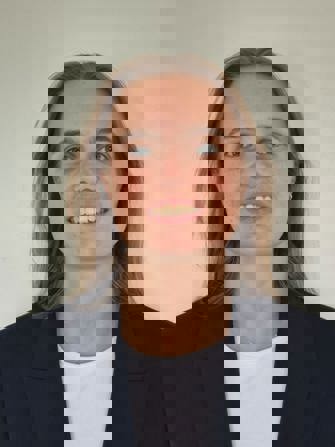 |
Emily Pardy - Graduate Consultant, WSP Equality Impact Assessments: enhancing their effectiveness in project deliveryEquality Impact Assessments (EqIAs) are an integral part of project delivery, identifying the positive and negative impacts of proposed schemes on local communities and various equality groups. Examining how designs affect accessibility, mobility, and quality of life can influence final project decisions and ensure outcomes are more inclusive. EqIAs typically rely on Census data at MSOA, regional, and national levels to understand the distribution of equality groups. However, data alone does not always capture the actual realities of communities who have adapted to existing transport infrastructure. This can result in projects that do not fully reflect the real requirements of individuals with impairments or other equality groups. Data gaps at MSOA level and around multi-modal travel can further limit the effectiveness of assessments. My presentation will outline the strengths, limitations, and potential improvements needed to make EqIAs more accurate, representative, and beneficial for inclusive transport planning and active travel. |
 |
Jake Hunter - Graduate Trainee Transport Planner, Devon County Council Evaluating 'Car-Free Days' as a Tool for Sustainable Mobility and PlacemakingThis presentation assesses at how ‘car free days’ and other temporary road closure interventions can be utilised to create positive economic, environmental and health outcomes. Around the world, such events have proved popular: Hanoi’s car free Sundays around Hoan Kiem Lake transform a mostly congested area, while Bogotá’s long running Ciclovía opens more than 100km of streets every Sunday for walking, cycling and social activity. Similar schemes have been rolled out across Europe and North America, as well as in the South West with Bristol’s ‘Make Sundays Special’ which began in 2013. Through assessment of the transportation literature, this presentation will explore some of the benefits and challenges of ‘car-free days’, as well as make suggestions regarding possible approaches to framing and delivering temporary road closures. Finally, the presentation discusses how such street interventions can be utilised to deliver a number of benefits, from more active travel to stronger public spaces and communities. |
CPD is defined as any activity that provides new knowledge or skills that help you to achieve your professional development goals or has otherwise helped you to develop as a highways and transportation professional
Plan, record and manage your CPD for free at CIHT Learn.
Need help with getting the most out of your CPD access CIHT’s CPD Guidance here.
For more information, please contact southwest@ciht.org.uk.



Got a question?
t: +44 (0)20 7336 1555
e: info@ciht.org.uk