
For more than 120 years, Tarmac has played a key role in building the infrastructure that keeps the UK moving. From supplying innovative construction materials to delivering major highways schemes, the business combines technical expertise, operational scale and a commitment to sustainability to support critical transport networks across the country.
One recent example of this expertise in action was the extensive resurfacing programme on the M4 between junctions 30 and 32 in South Wales - a vital section of motorway connecting Cardiff and the wider region. Delivered under challenging conditions and within carefully managed traffic closures, the scheme showcased the scale, precision and collaboration required to successfully upgrade one of the UK’s busiest strategic road corridors.
The project involved resurfacing approximately 8.5km of motorway, improving ride quality, durability and long-term network performance for thousands of road users every day. In total, more than 20,000 tonnes of asphalt were laid during the programme, with materials supplied from Connelly Quarry to support efficient delivery and consistent product quality throughout the works.
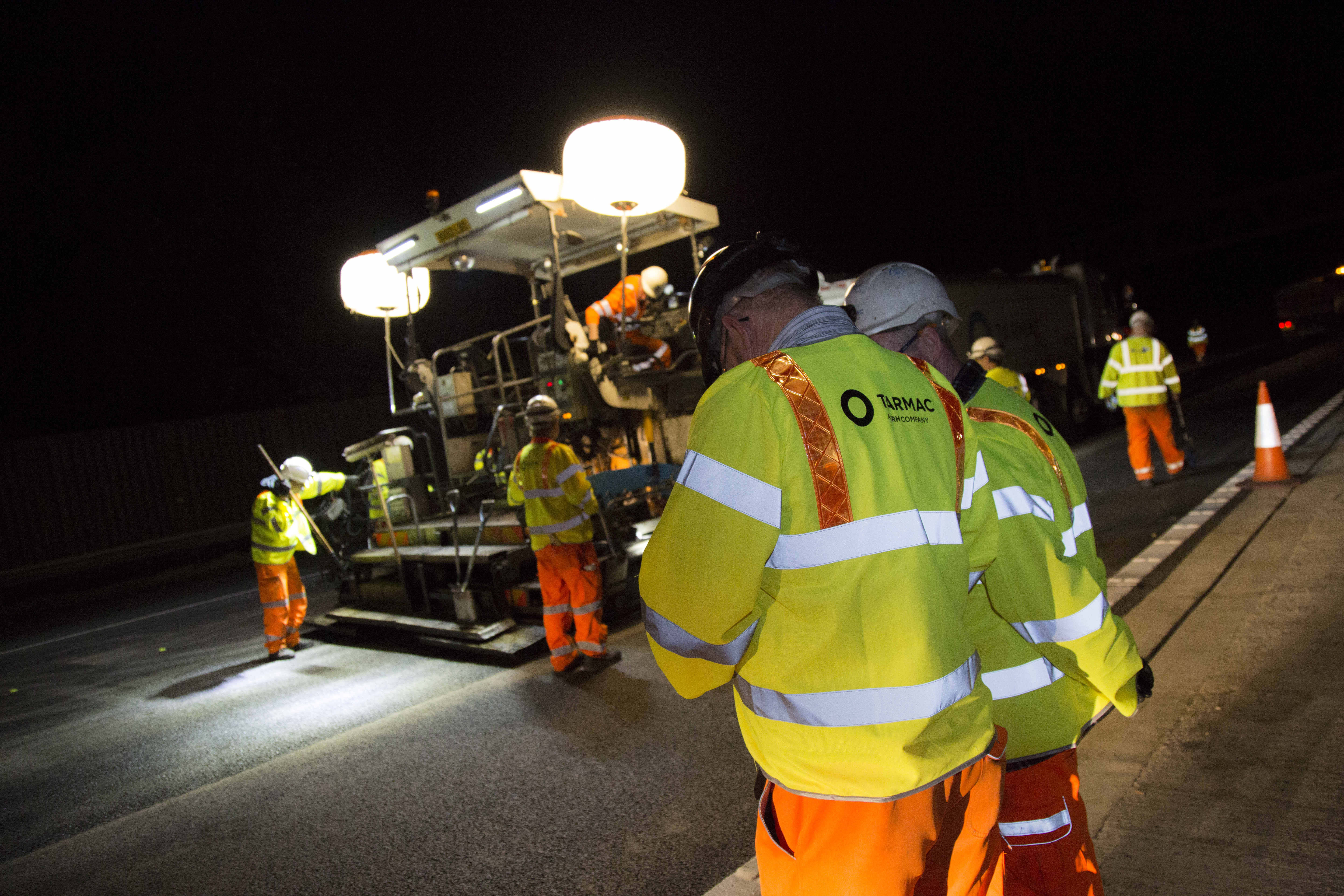
Given the location and complexity of the scheme, logistics and productivity were critical. To maximise paving efficiency and maintain continuous material flow, the project utilised an MT 3000-3 Offset PowerFeeder, helping ensure consistent asphalt delivery to the paving operation while improving surface quality and reducing stoppages on site.
Alongside resurfacing works, the scheme also included a significant package of infrastructure renewal activities designed to improve safety and extend the operational life of the motorway. More than 55,000 metres of road markings were replaced, while 5,971 new road studs were installed to improve visibility and guidance for motorists travelling through the route, particularly during night-time and adverse weather conditions.
The programme also saw eight bridge deck joints repaired as part of wider asset maintenance works across the corridor. These improvements are essential in protecting bridge structures from water ingress and long-term deterioration, helping to maintain the resilience of the motorway network for years to come.
In addition, more than 50 traffic loops were replaced during the project. These loops play a critical role in monitoring vehicle movement and supporting motorway traffic management systems, ensuring the route continues to operate efficiently once works were completed.
Sustainability remained a key focus throughout delivery. In total, 26,754 tonnes of recycled asphalt planings (RAP) were recovered from the existing carriageway, helping reduce waste and supporting circular economy principles within highways construction. Recovering and reusing valuable materials in this way forms part of Tarmac’s wider commitment to lowering carbon emissions and delivering more sustainable infrastructure solutions across the UK.
Delivering a scheme of this scale on a live motorway network required close coordination between operational teams, supply chain partners and traffic management specialists. Careful planning allowed works to be completed safely and efficiently while minimising disruption for road users and local communities.
The M4 junction 30-32 resurfacing programme demonstrates how modern materials, specialist equipment and collaborative delivery can come together to enhance the performance and longevity of critical transport infrastructure. It also highlights the continued importance of advancing in the UK’s strategic road network to ensure safer, smoother and more reliable journeys for the travelling public.
For more information, visit www.tarmac.com.


