
In association with Tarmac
Many local authorities have made climate declarations and have carbon emission reduction strategies in place to help them deliver a sustainable future for local road maintenance. Significant progress has been made but for most authorities, low carbon road maintenance is are still the outcome of exceptional projects rather than standard practice.
Thanks to biogenic asphalts incorporating plant-based oils in the bitumen binders asphalts are now available that are carbon neutral. The carbon dioxide absorbed during the growth phase of the plant-based element offsets emissions from other components producing a net zero carbon footprint. One of these products is Ultipatch Pothole Zero, a cold lay pothole repair asphalt from Tarmac.
Landmark road surfacing projects have already shown what is possible. One of these was a pioneering project to resurface a section of the A689 in Wynyard, near Hartlepool, and two residential roads in Stockton-on-Tees Borough. By using biogenic asphalt mixes along with other carbon saving measures such as electric and hybrid road rollers and bio fuels to run the asphalt plant the schemes achieved a net reduction in carbon emissions of over 80%.
Hitting ambitious net zero targets won’t be the result of one-off projects, it will be hundreds of small efficiency gains across all road maintenance operations. This will mean rethinking the way we work.
According to the last ALARM survey published in March 2025, 1.9 million potholes were filled in the last year or 17.5 million potholes over the last decade. This suggested that smarter material choices to deliver longer lasting and lower carbon repairs could have a huge impact on overall net emissions from road maintenance.
The price of the asphalt material is a low proportion of the overall cost of a pothole repair. Having to return to site for a failed repair is the ultimate false economy. This means that there are big savings in cost and carbon emissions to be made in selecting the most appropriate and higher performing materials and getting road repairs right first time and avoid the cost of repeated repairs.
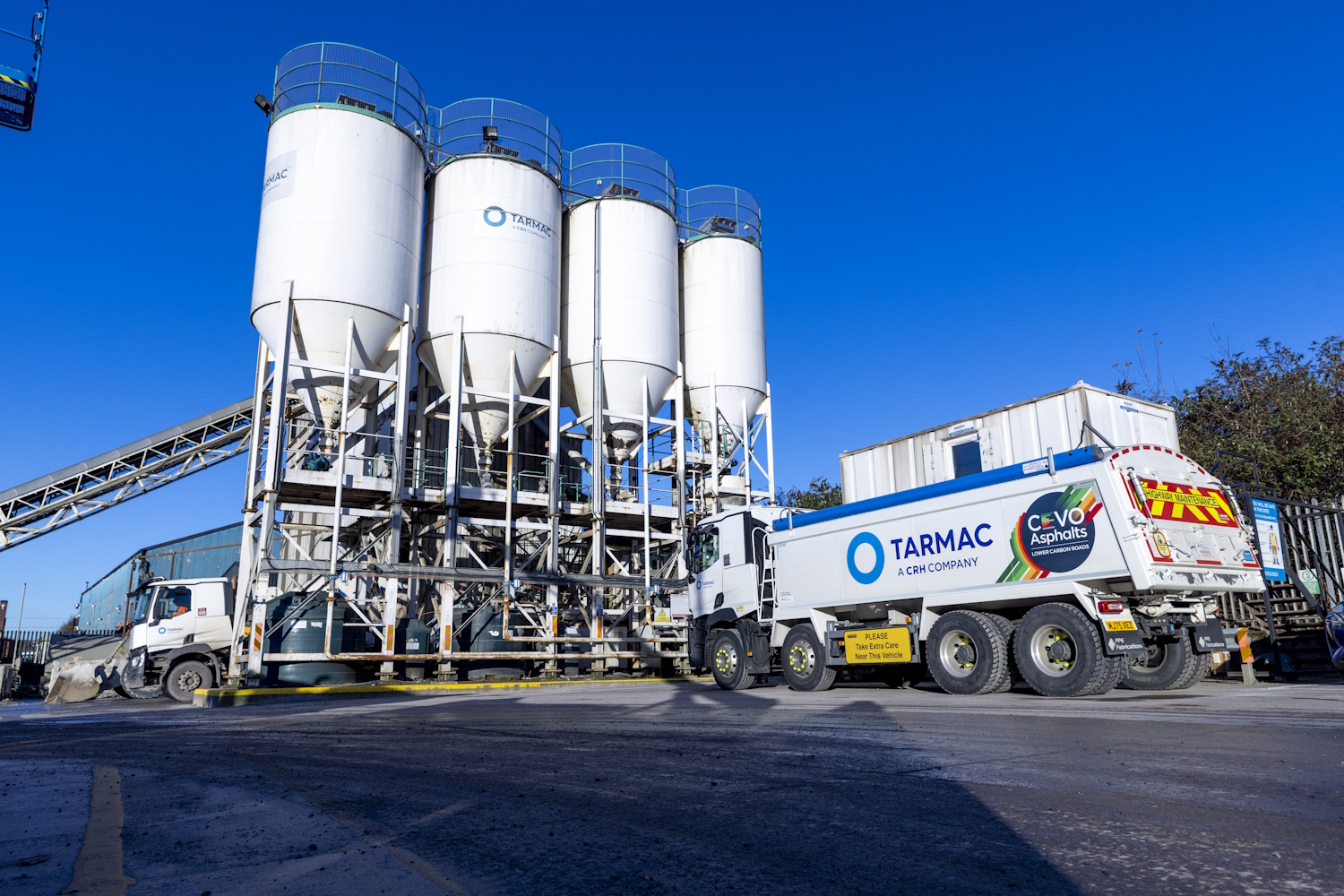
CEVO is a range of low carbon asphalt and PAVE solutions designed to help clients meet their Net Zero goals without offsetting or compromising performance or durability. It aims to help clients make informed decisions and compare different materials by using accurate carbon measurement and comparison and scheme-specific bespoke carbon footprints.
Extending pavement life is a key part of sustainable, low carbon road maintenance. By adopting a whole life approach and investing in better materials and highways engineers can break the cycle of repeated deterioration and running repairs which can be costly in terms of maintenance budgets and carbon emissions.
One of the main causes of ageing and eventual deterioration and failure of a road is oxidisation of the binder, causing it to lose flexibility and become more brittle. New anti-ageing binder technology is now available that reduces the rate of binder oxidisation, particularly during manufacturing, transportation and paving. As a result, the asphalt retains its elasticity and cohesion for longer for enhanced long-term resistance to cracking and fretting. Studies based on early trials on UK roads, suggest that long-life bitumen can extend the life of the pavement by up to 20%.
Making the right material choices is a complex task requiring technical knowledge of asphalt materials and an understanding of the needs of the road being surfaced. Tarmac’s regional Technical Product Support Managers can offer advice and expertise on choosing the right surfacing material for the road, car park or paving application. They can also offer online product training.
Megan Thompson - North & Scotland - megan.thompson@tarmac.com
Tom Pearson - Midlands - thomas.pearson@tarmac.com
Matthew Parry - South - matthew.parry@tarmac.com
For more details about our packed highways products at tarmac.com
https://www.tarmac.com/products/packed-highways-products/
Find out more:
https://www.tarmac.com/guide-to-sustainable-road-building/
https://www.tarmac.com/products/asphalt/ultipatch-pothole/
Building our World. Tarmac, a CRH company, is the UK’s leading sustainable building Since Tarmac invented the modern road surface in 1902, we have been at the forefront of technological advances in asphalt materials, working with highways engineers to produce surfaces that last longer and can be laid with less disruption to the road user. Today we are helping the industry to work more sustainably, by producing less waste and fewer carbon emissions.
We employ around 6,000 people across a network of more than 350 sites across the UK.
Tarmac is part of CRH, the world's leading building materials business.


