
Bringing together professionals from across Malaysia's transport sector, the study tour offered opportunities to explore innovative technologies, share knowledge with international partners and gain practical insights into the future of highways, transportation and smart mobility.
Join other savvy professionals just like you at CIHT. We are committed to fulfilling your professional development needs throughout your career
The Chartered Institution of Highways & Transportation (CIHT) Malaysia Branch brought together highway, transport and infrastructure professionals for a seven-day Technical Study Tour to South Korea, providing delegates with first-hand insight into advanced traffic management, road-safety engineering, artificial intelligence (AI)-enabled asset management and the rapidly evolving autonomous mobility sector. The programme was led by YBhg Datuk Ir. Zakaria Ahmed Zabidi, CIHT Malaysia Chair and COO of Plus Malaysia Behad from 21 to 27 August 2026 and included visits across Seoul, Busan, Gyeongju, Cheonan and Seongnam.
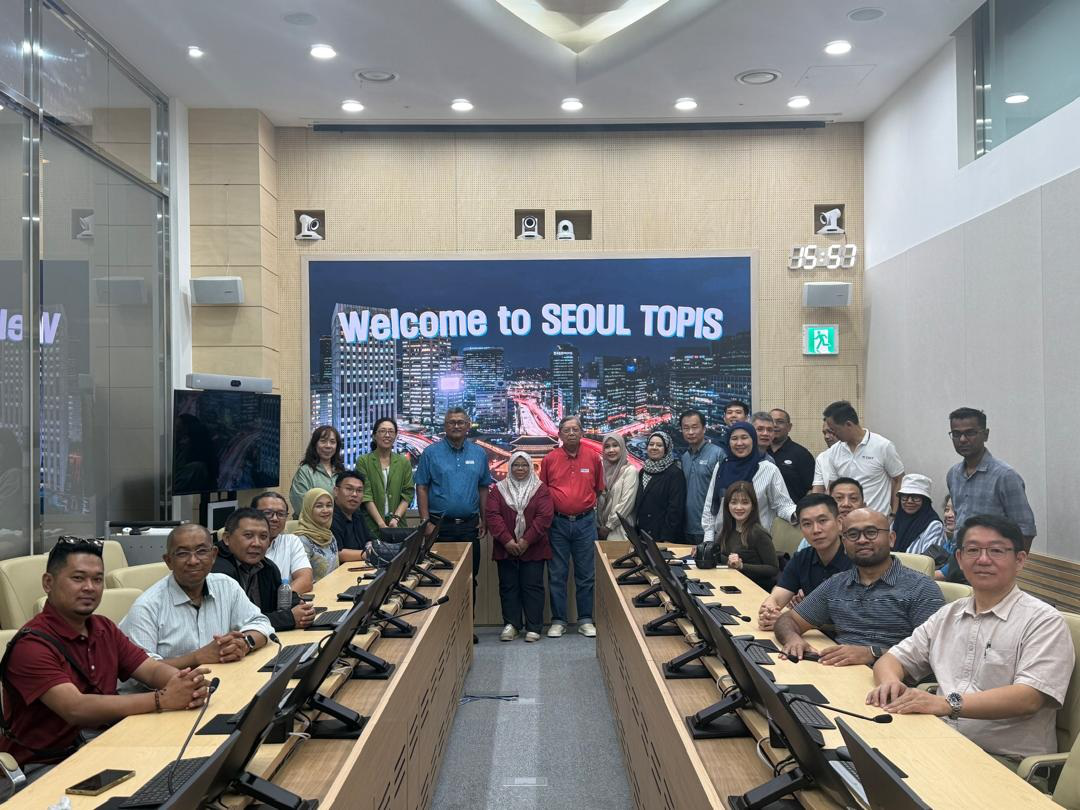
A highlight of the programme was a technical visit to Seoul TOPIS (Transport Operation and Information Service), where delegates gained an understanding of how the Seoul Metropolitan Government manages one of the world's most sophisticated integrated transport operations centres. The visit demonstrated how real-time traffic management, public transport operations, enforcement systems and big data analytics are brought together within a single operational framework to improve mobility, safety and network performance.
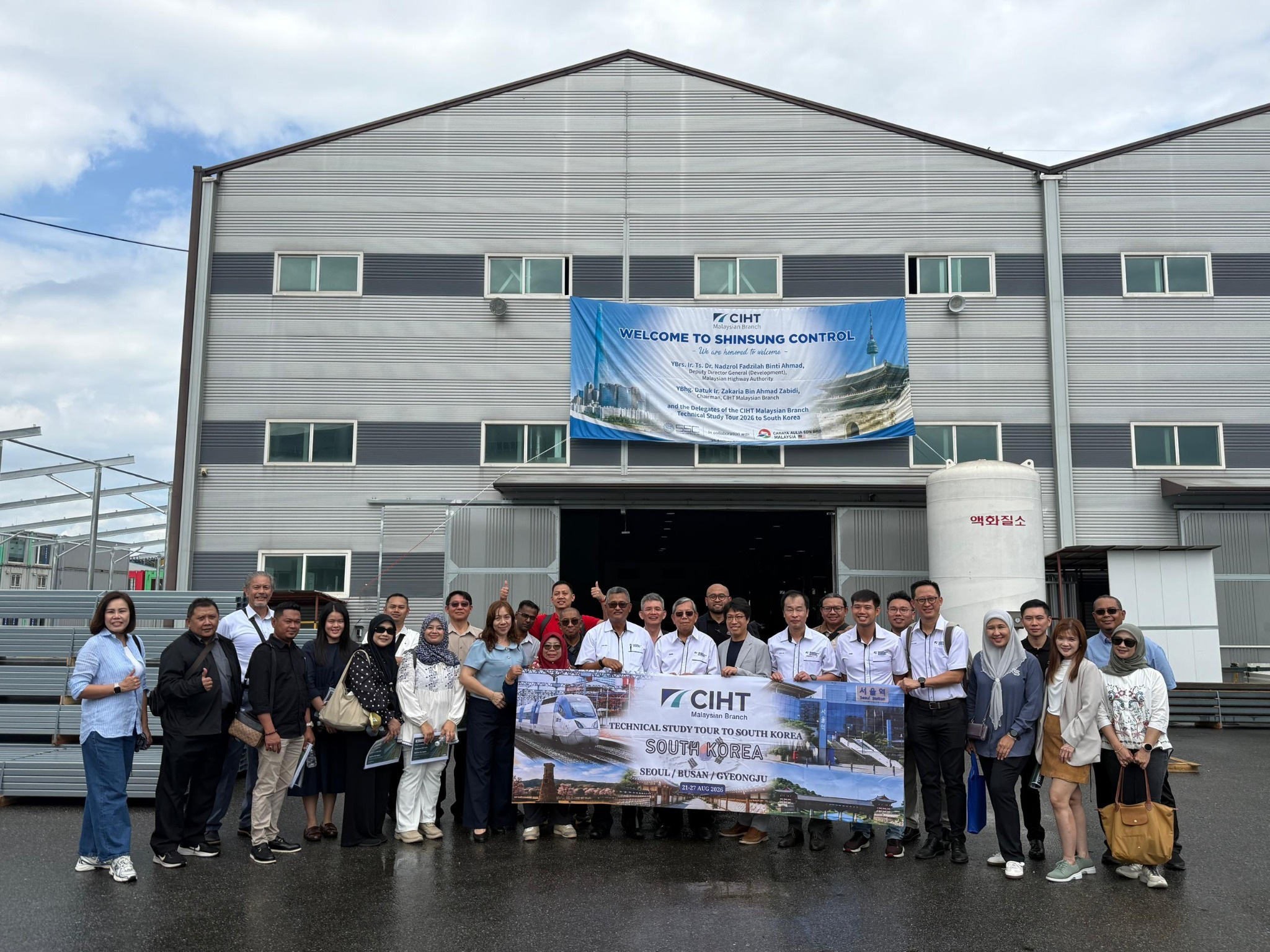
Delegates also visited Shinsung Control Co., Ltd., where they explored innovative road-safety products including anti-corrosion guardrails, smart roller barriers, bridge restraint systems and crash cushions. Discussions focused on the importance of full-scale crash testing, long-term durability and localisation for the Malaysian market, highlighting how successful road-safety solutions depend not only on product innovation but also on rigorous performance standards and lifecycle considerations.
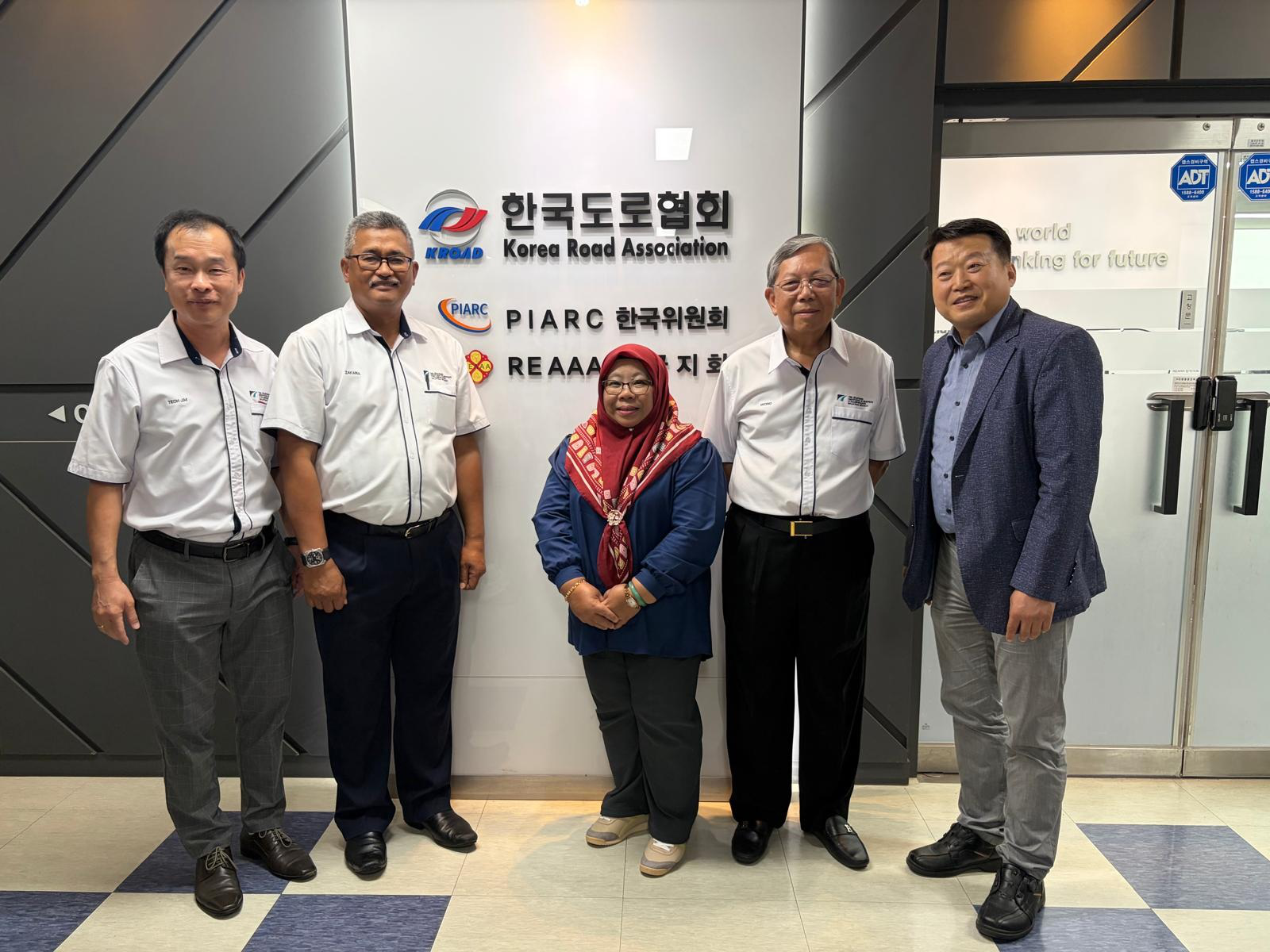
The programme included a courtesy and technical visit to the Korea Road Association (KROAD), offering valuable insight into how a national industry body can support road-sector policy, standards development, professional training, research and international collaboration. The visit reinforced the value of strong partnerships between industry, government and professional institutions in shaping the future of transportation infrastructure.
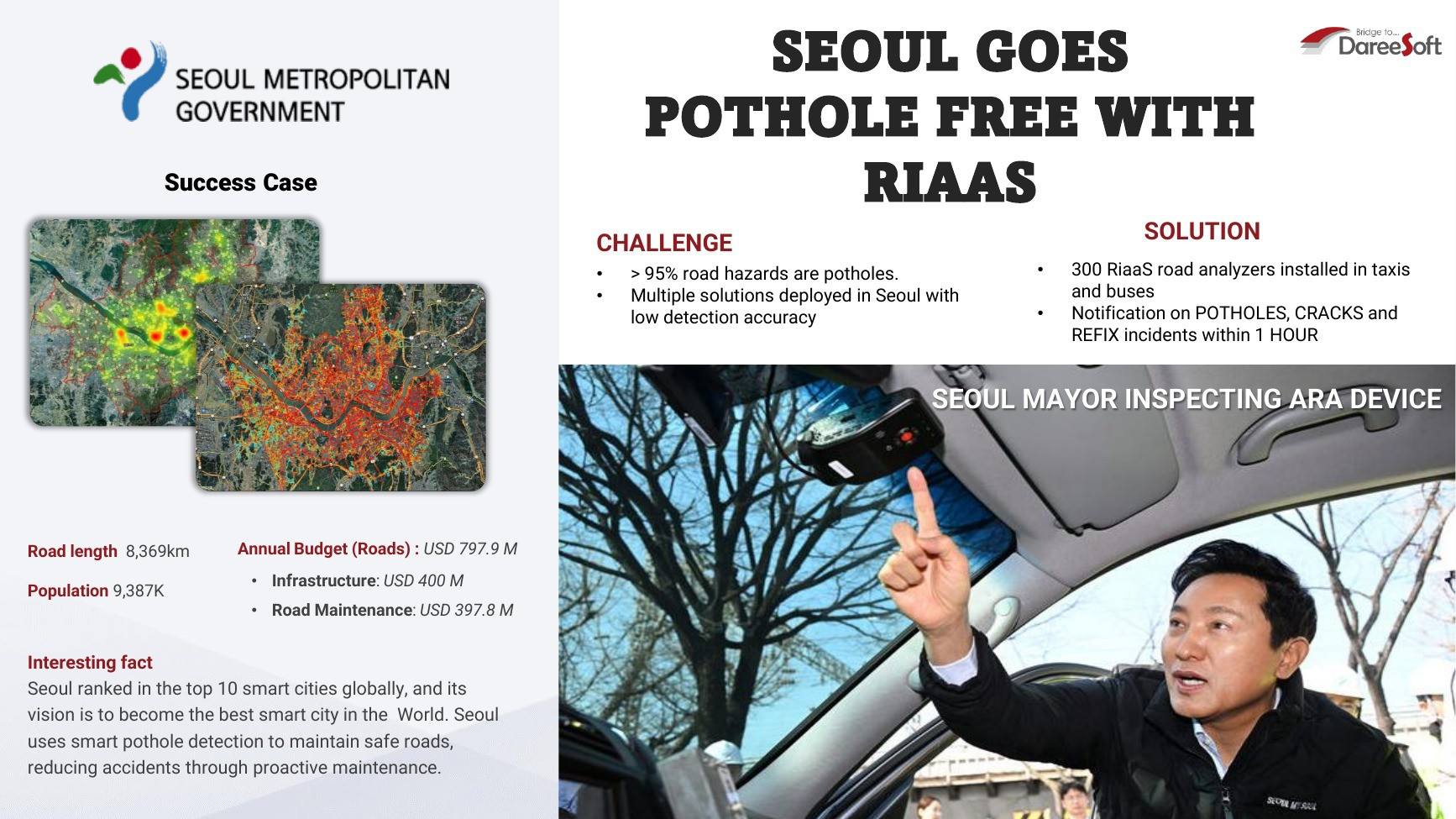
Emerging technologies formed a key theme throughout the tour. Delegates attended presentations from RoadKeeper and DareeSoft, exploring how AI-powered road inspection systems can transform traditional maintenance practices. Demonstrations showed how vehicle-mounted cameras and intelligent analytics can automatically identify defects, prioritise maintenance activities and create auditable workflows that support more efficient asset management. Examples from South Korea illustrated how existing vehicle fleets can be used as mobile sensors to collect road-condition data at scale.
The delegation also attended the Autonomous Driving Mobility Expo (AME 2026) in Seoul, where exhibitors showcased the latest developments in autonomous vehicles, software-defined mobility, vehicle-to-everything (V2X) communications, sensors, robotics and intelligent transport infrastructure. The exhibition provided delegates with a broader understanding of the technologies that are expected to shape future transport systems and their interaction with connected infrastructure and digital traffic management platforms
Beyond the technical programme, the tour provided opportunities for cultural exchange and stronger professional connections between Malaysian and South Korean transport professionals. Visits to historic locations in Gyeongju and engagement with local stakeholders helped place the technical discussions within the wider context of urban development, heritage conservation and community-focused transport planning.
One of the key lessons emerging from the study tour was that successful transport innovation is not driven by technology alone. Delegates observed how data, operational processes, governance, standards and institutional collaboration work together to deliver effective transport outcomes. Examples from Seoul demonstrated the benefits of integrating traffic operations, public transport management, enforcement activities and analytics into a single ecosystem, while AI-enabled maintenance systems showed how digital tools can convert road-condition data into actionable maintenance programmes.
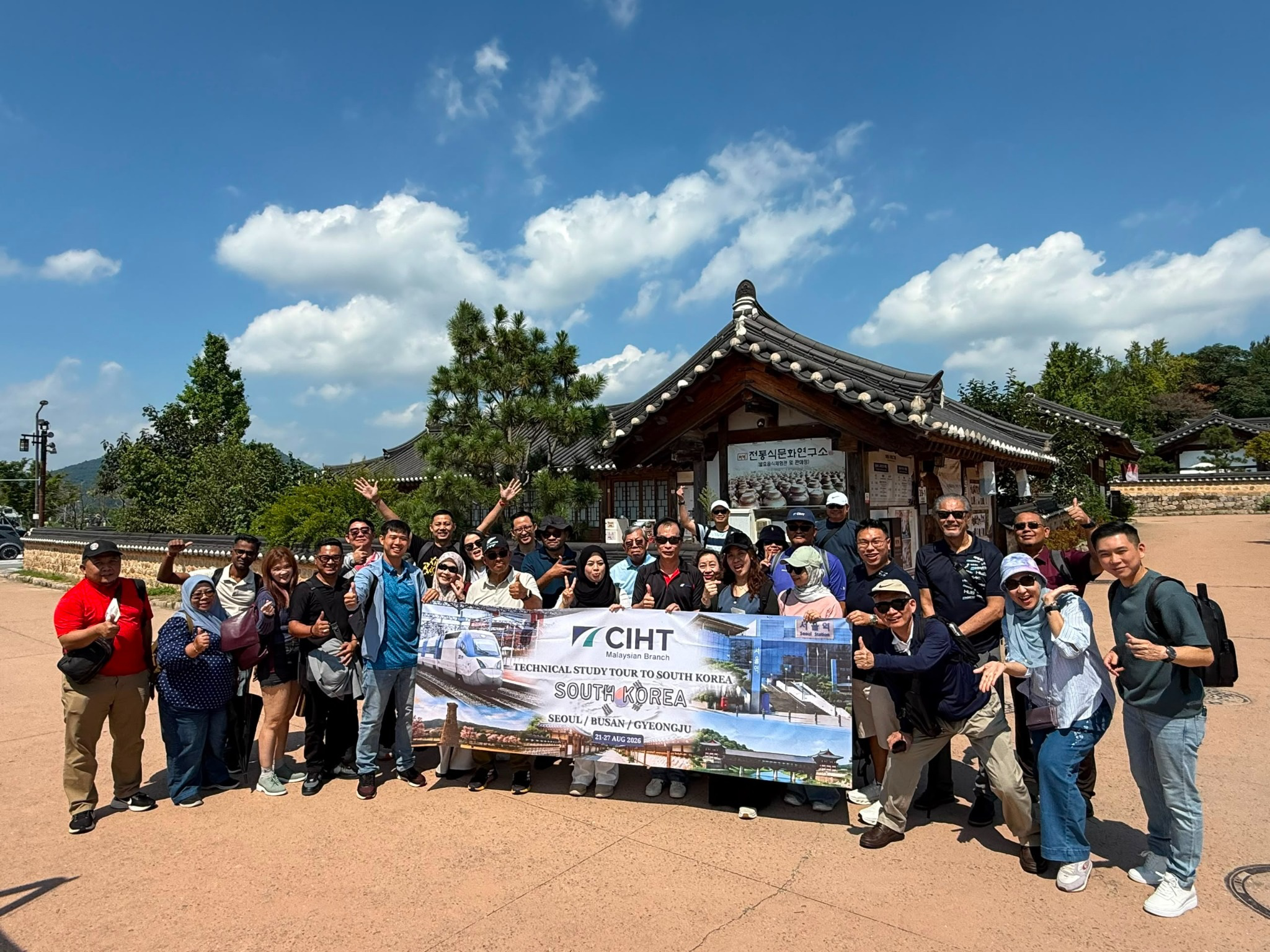
The study tour concluded with a shared view that many of the concepts observed in South Korea, particularly in intelligent transportation systems, AI-based road inspection and connected mobility, offer valuable opportunities for adaptation within the Malaysian context. The programme has strengthened CIHT Malaysia Branch's international relationships and provided delegates with practical insights that can support the continued advancement of the transport profession.
As transport networks become increasingly connected, data-driven and technology enabled, initiatives such as the CIHT Malaysia Branch Technical Study Tour continue to play an important role in fostering knowledge exchange, professional development and international collaboration across the global transportation community.
To continue building international connections, sharing knowledge and shaping the future of transportation in Malaysia, CIHT Malaysia Branch welcomes expressions of interest from professionals, organisations and emerging leaders who would like to become involved in its activities. Whether you are interested in technical events, professional development, knowledge exchange, industry collaboration or future study tours, there are many opportunities to engage with the CIHT community.
To find out more and get involved, please contact CIHT Malaysia Branch at malaysia@ciht.org.uk.


Join other savvy professionals just like you at CIHT. We are committed to fulfilling your professional development needs throughout your career
{{item.AuthorName}} {{item.AuthorName}} says on {{item.DateFormattedString}}: