
Key insights from Amey - the winner of the CIHT Healthy Transport Award - for The Strand Phase 1 in Liverpool, where active travel and public realm improvements have revitalised this iconic road. By Sonia Smith, Amey Project Director.
Join other savvy professionals just like you at CIHT. We are committed to fulfilling your professional development needs throughout your career
1 Be ready for design reiterations
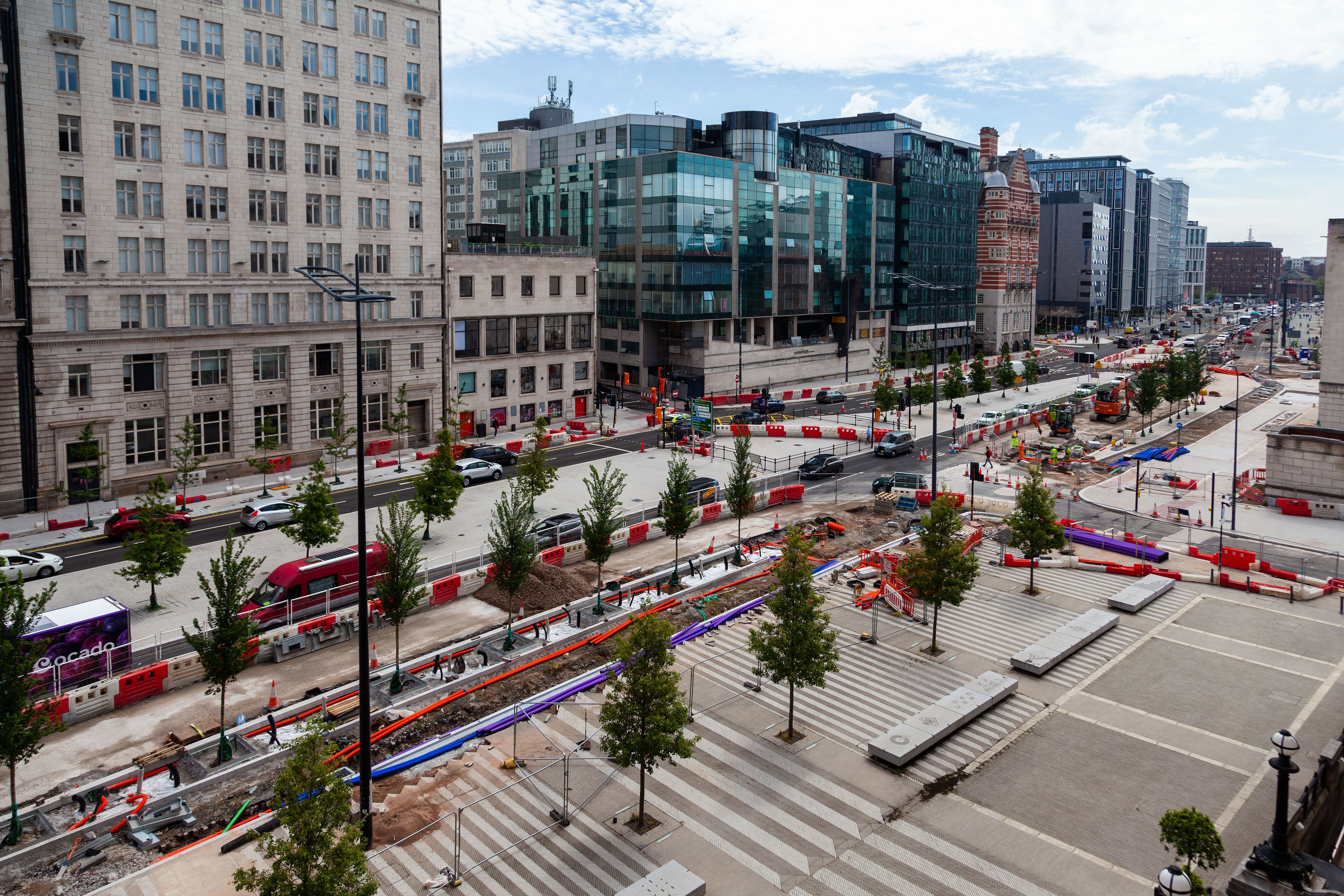
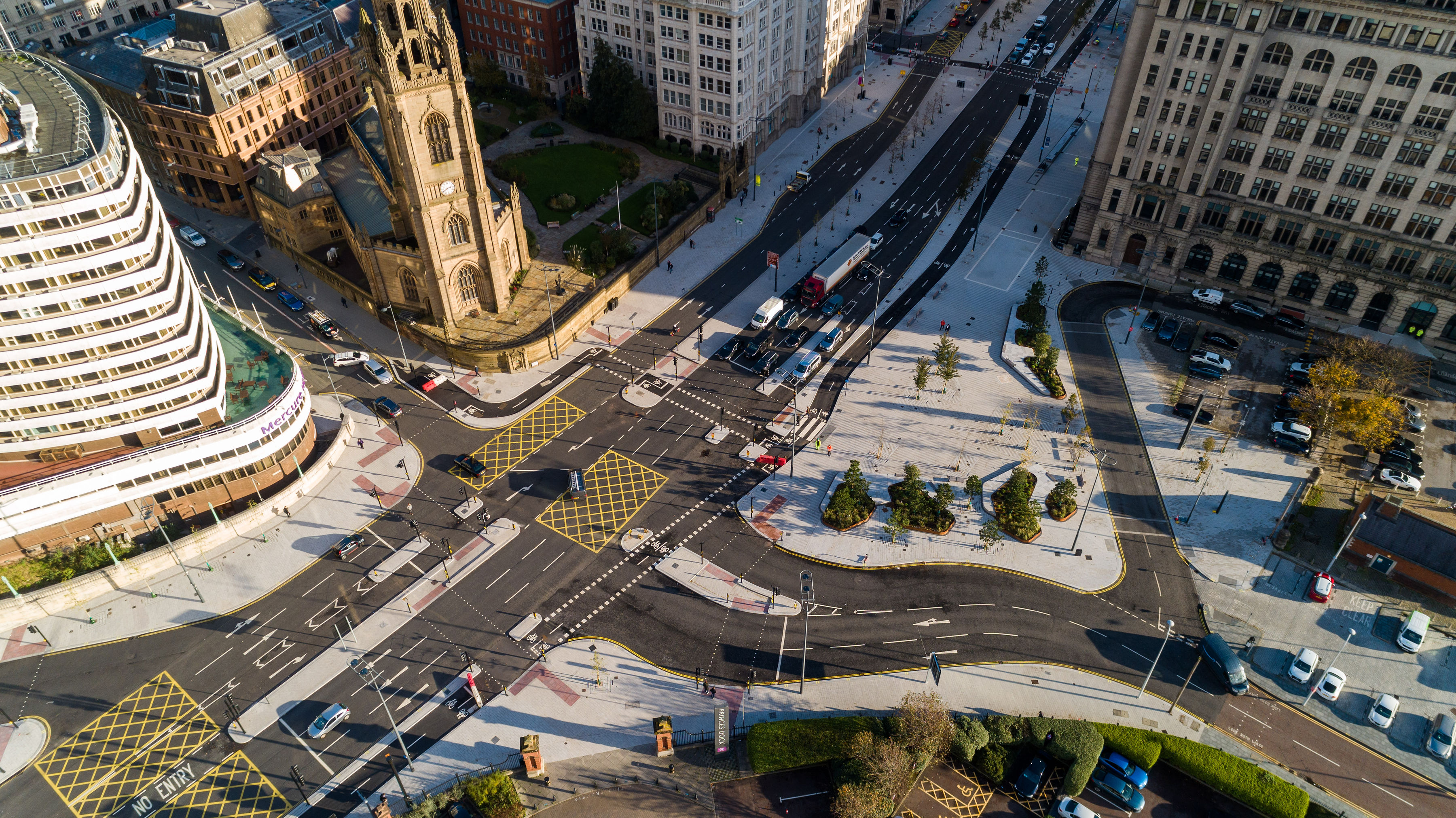
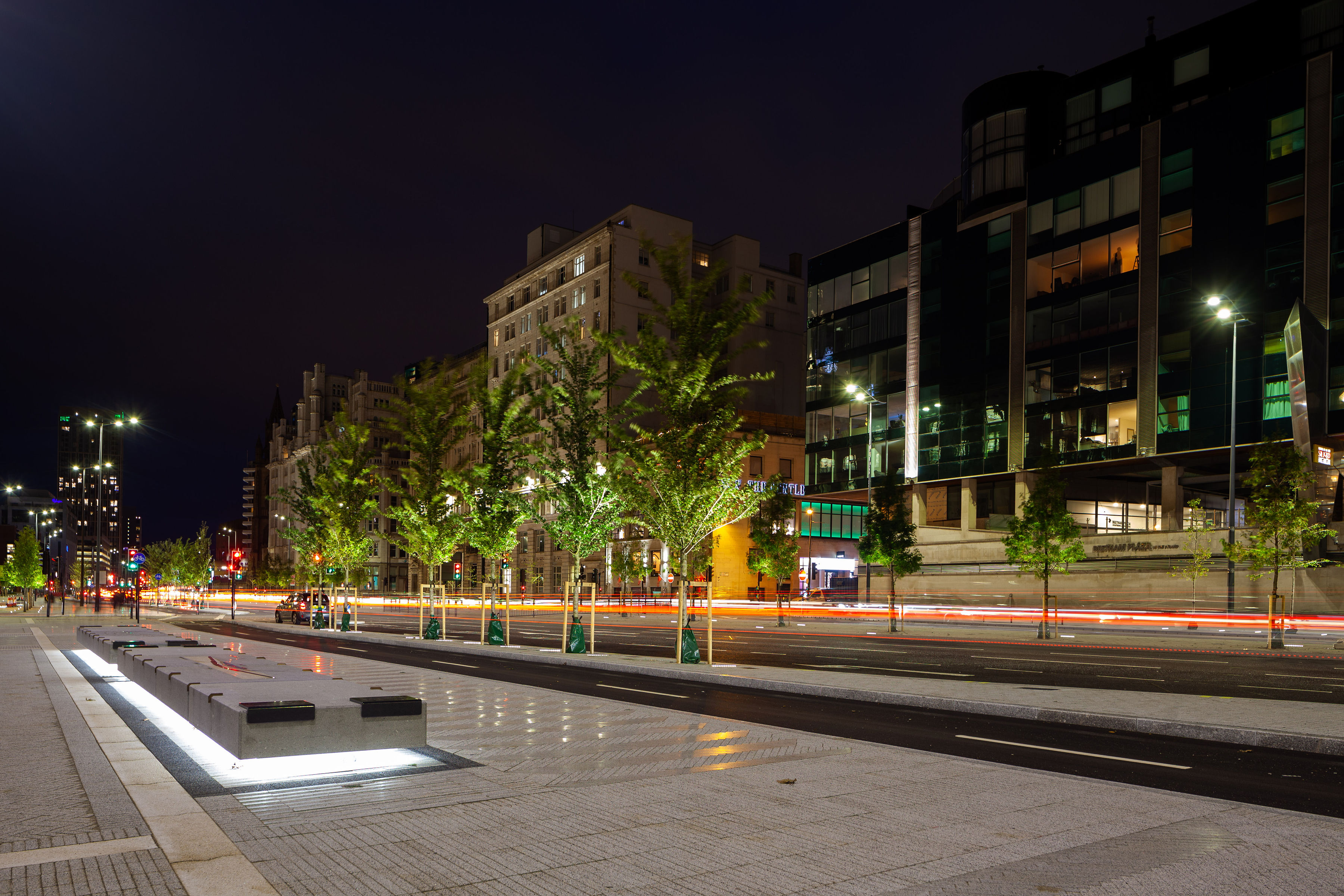
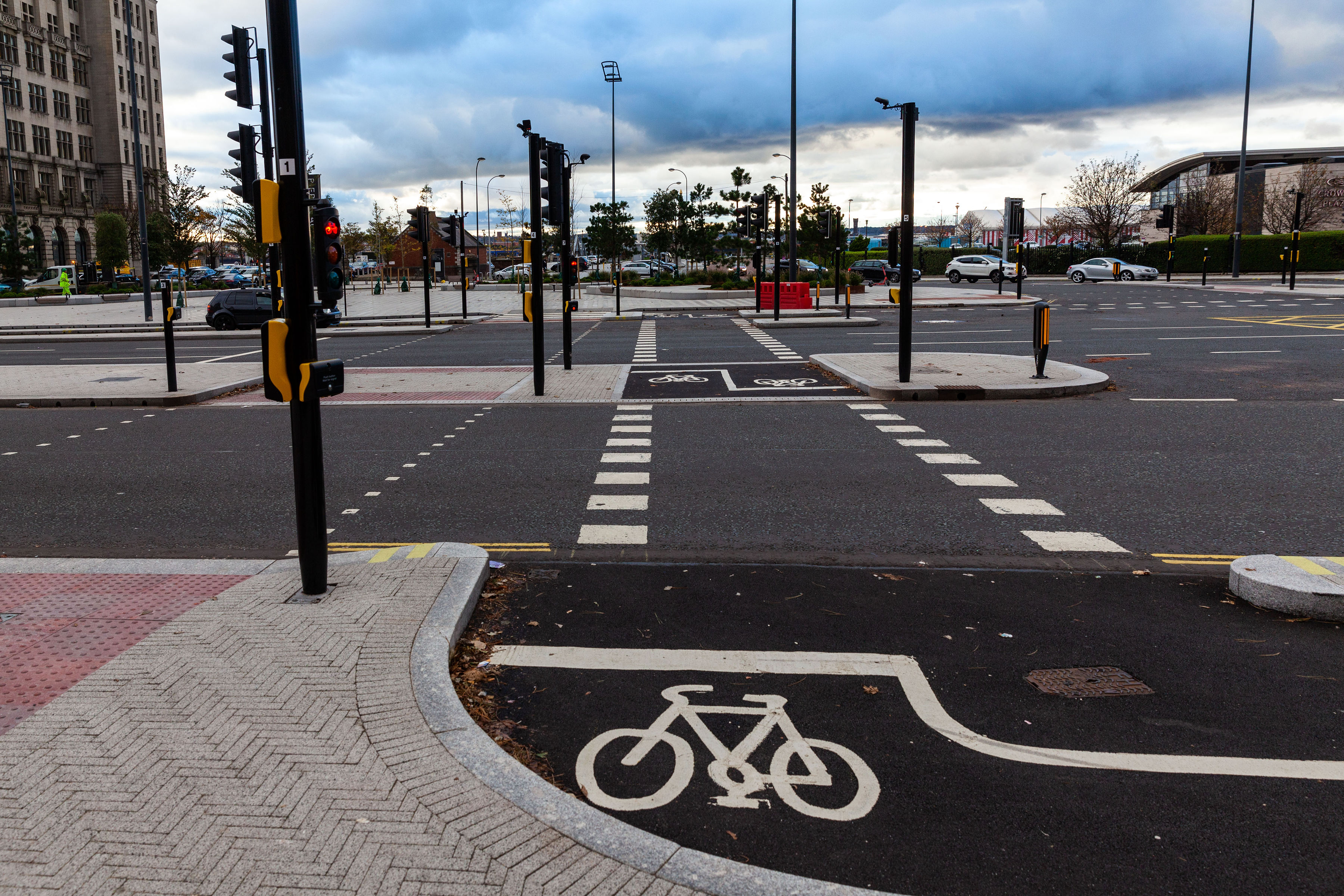
The Strand project is one of eight under the umbrella of a Connectivity scheme by Liverpool City Council improving connections in the city centre for pedestrians and cyclists. Liverpool’s waterfront was cut off from the remainder of the city by up to eight lanes of traffic and the council wanted to remove this barrier, making it easier and more attractive for pedestrians to access. Reallocation of road space to provide active travel and public realm improvements was at the heart of the project.
We had spent a few years designing it, with different reiterations, on the traffic modelling side, and the idea was to look at forward planning to future proof the scheme. But then Covid-19 set us new challenges, along with new government guidance.
LTN 1/20 was introduced in the summer of 2020 which meant that we had to tweak the scheme. Having taken on board as much as we could in the design change, the changes in legislation meant that we found ourselves redefining the scope part way through. We had to shift our focus to adhere to the new legislation. The takeaway here is to always keep an eye on whether there's any industry changes that you can incorporate.
2 Engage, engage and engage again
From initial meetings with major business owners to drop-in sessions for anyone to come in and have a look - we did so much consultation! We got feedback about what people wanted to see and what they thought about the general overview of the concept schemes that we came up with.
Then we did more concentrated consultation on the individual schemes, including The Strand, with additional drop-in sessions, face-to-face meetings and group meetings with residents, listening to their feedback.
The takeaway here is to engage throughout the duration of the design and while it’s being implemented. Talk about when road closures are happening and how to get in contact regarding any issues that people might have. Listen to them during the design process and deal with any specific issues, such as individual offsets that affect people.
3 Seek validation by modelling
Our transportation engineers provided traffic modelling and analysis of network improvement options; presenting data, evidence and visualisations to demonstrate that our proposals would perform well. We used a “fly-through” journey time model showing trips through the scheme against existing signal arrangement on a split screen. This was invaluable in getting buy-in from those who were sceptical that a reduction in the number of traffic lanes could be achieved without causing congestion.
The split screen showed that, overall, there was a reduction in journey time for north and south.
4 Keeping planning for change
Another challenge was the value engineering exercise because of global supply issues, which means material costs have increased and delivery lead times can vary greatly affecting implementation. We closely managed this issue by working collaboratively with all partners to align site work with material delivery times.
5 Celebrate the positives
There have been challenges along the way, but it's been a great scheme to work on. It's not often you get big schemes, in a city centre, upgrading an existing and iconic road. All of us involved have thoroughly enjoyed working on it and it’s been very well received. Chris Boardman travelled along there for one of his videos, so it's been well received by the cycling community and pedestrians too.
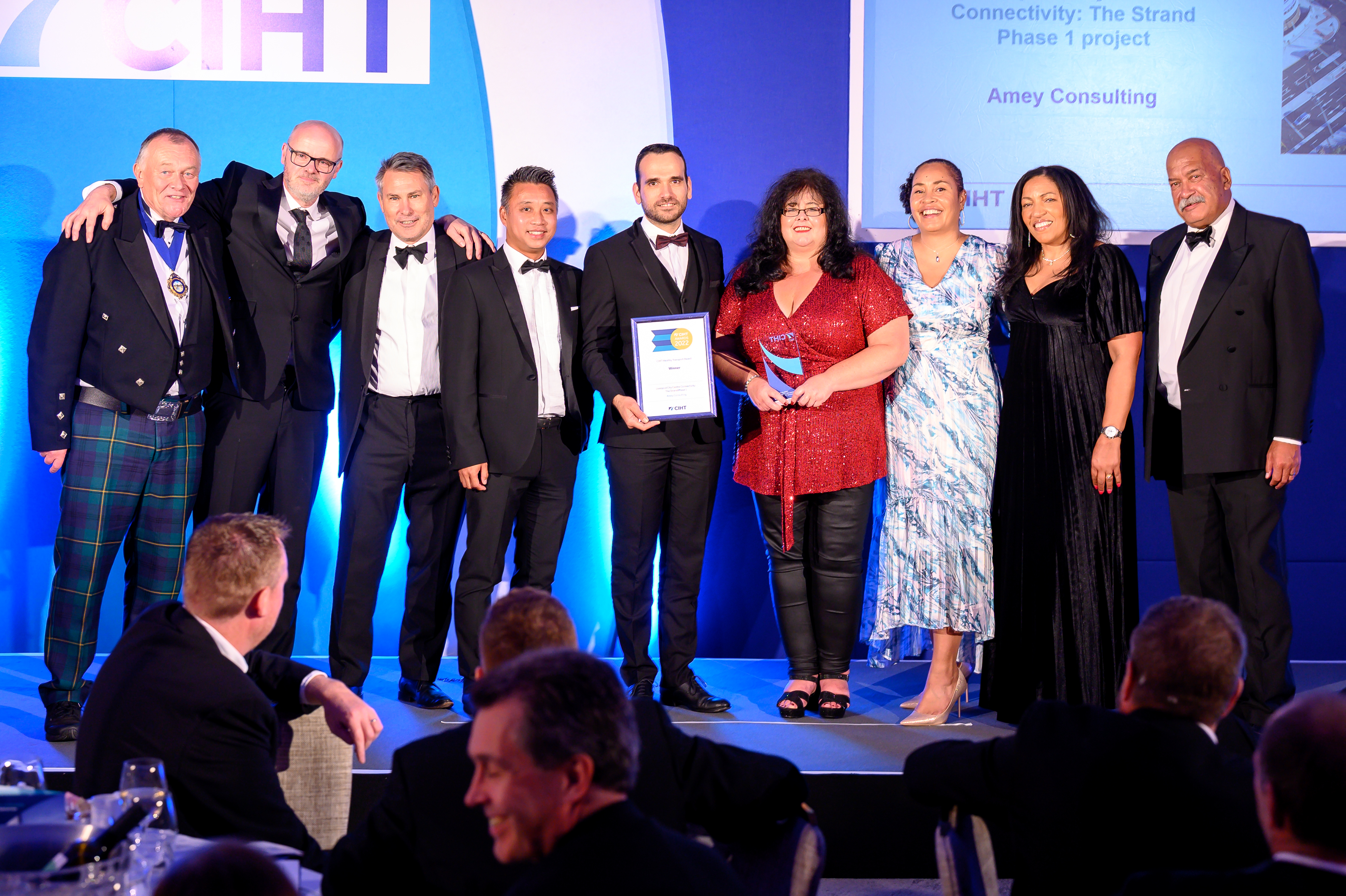
The recognition from CIHT has been a brilliant last tick of the box. We all thought it was a good scheme, but that is the icing on the cake.
Exclusive to members: read the award winning case study and the shortlisted case studies for this CIHT Healthy Transport Award.
Be the first to know about the 2023 CIHT Awards and get ahead of the competition.
See the video by Chris Boardman, England’s Active Travel Commissioner, that uses The Strand to make a compelling case for active travel.
Keen to work in active travel? Take the CIHT Learn course in Sustainable Transport - Planning for Cycling.
Sonia Smith was in conversation with Craig Thomas.


Join other savvy professionals just like you at CIHT. We are committed to fulfilling your professional development needs throughout your career
{{item.AuthorName}} {{item.AuthorName}} says on {{item.DateFormattedString}}: