
Join other savvy professionals just like you at CIHT. We are committed to fulfilling your professional development needs throughout your career
They’re everywhere, they’re essential and we’d be lost without them – I’m talking about the humble lamppost, of course. Supporting safety and wellbeing in our communities, they are a vital part of our infrastructure but thanks to new technologies they can do so much more.
By Rebecca Hatch, digital urban solutions director at FM Conway
As one of the most common assets available to councils, putting lighting columns to work as hard as possible makes sense, particularly at a time when budgets are under pressure. By using lighting columns to generate useful data, we can get more value from them and improve how our public spaces are managed.
Firstly, it’s important to recognise that lighting's primary job is to support safe and accessible streets and that should always be the priority. A well-lit street means users understand their surroundings, where they’re heading and feel more connected to the places around them. A poorly lit one does the opposite. It makes routes feel less inviting, discourages walking and undermines the wider benefits of active travel. Almost nine in 10 women have reported feeling unsafe while walking at night. That should be a concern for everyone involved in shaping our streets and public spaces.
We know so much more now about the role of lighting in creating environments that people feel confident using, and we need to put this insight into action. Colour psychology, for example, can change people’s experience, with cooler tones supporting a stronger perception of safety and warmer colours encouraging a sense of welcomeness.
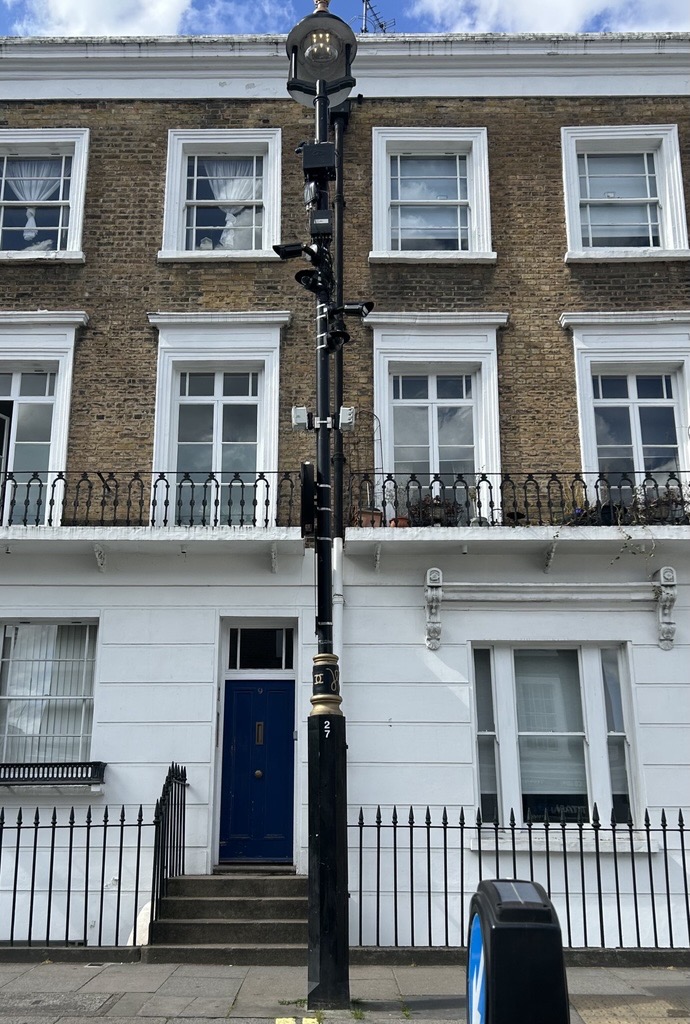
With the fundamentals in place, we can start to think about the bigger benefits our lighting infrastructure can bring. The transition to LED lighting, combined with advances in wireless connectivity and asset management systems, means that more columns can now host sensors and collect data to help local authorities better understand how our towns and cities function – from information about air quality, to noise levels, traffic patterns and pedestrian footfall.
However, more opportunity comes when lighting is connected with other infrastructure rather than managed in isolation. Through our GIS-enabled approach for many London Boroughs, we've brought lighting columns together with carriageways and other highway assets on a single platform. It means the authority can more easily identify priorities and see how different assets are performing.
Combining inspection information, asset performance data and statistics from technology like heat mapping allows issues to be identified earlier. This technology, along with risk profiling, helps authorities to spot patterns of wear, recurring issues and areas where assets are under the greatest strain. So instead of waiting for problems to emerge, councils can be proactive and put their money where it can be used most effectively. Maintenance budgets can stretch further, investment decisions become easier to justify, and residents benefit from a better service.
We understand the pressure local authorities are under, walking the tightrope of ageing infrastructure and tightening budgets. It's why we're focused on getting them more from the assets they have at their fingertips. A more intelligent lighting network means councils target investment where it’s needed - whether that’s around schools, transport hubs, parks or residential areas.
The future of street lighting isn't simply about brighter streets. It's about using our assets in smarter ways. By improving safety and providing better insight, lighting columns can play a much bigger role in making places work better for the people who manage and use them.
FM Conway is a leading infrastructure services company. We inspect, design, build, enhance and maintain essential infrastructure services for the public sector and community.
With over 60 years’ experience, we pride ourselves on being an industry leader and innovator, especially in recycling and reuse. We have a network of asphalt and aggregate recycling manufacturing plants serving London and the wider regions throughout the UK, as well as a Thames-side wharf and our own research and development laboratory.
We recycle 98% of highway arisings, including kerbs, paving and concrete and we have the ability to produce asphalt with a high recycled content and a low carbon footprint.
We are British Standards Institute (BSI) PAS 2080:2023 certified for management and reduction of whole-life carbon in infrastructure and the built environment. We are a member of the British Safety Council, the Civil Engineering Contractors’ Association, and the Quarry Products Association, as well as being BSI registered for environmental and quality management.
We are multi-award winning in our approach to road safety and were the first company in the UK to have achieved British Standard ISO 39001, which provides a framework to help organisations reduce the incidence and adverse effects of road traffic accidents. Please visit www.fmconway.co.uk
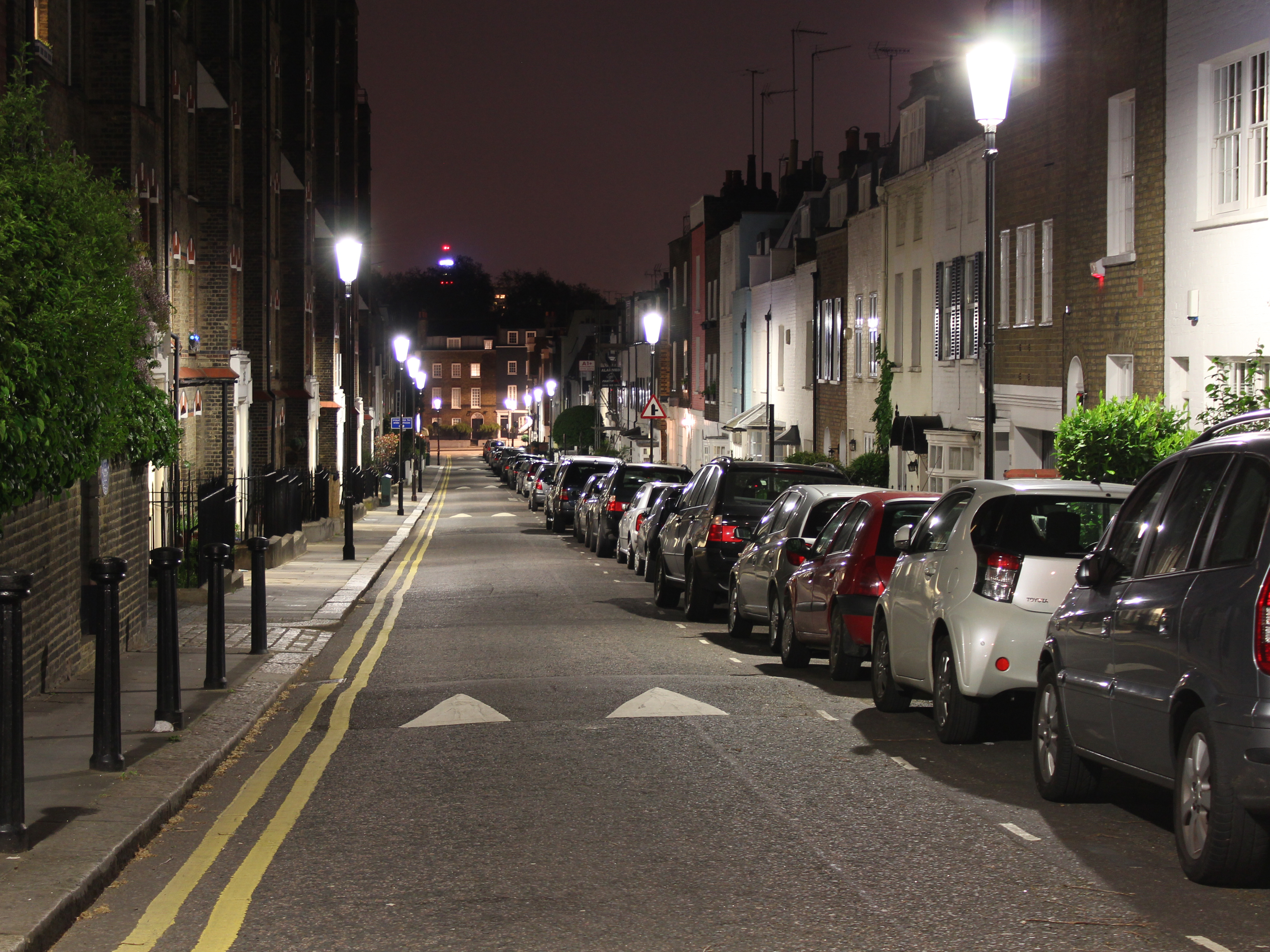
Peel Street lighting


Join other savvy professionals just like you at CIHT. We are committed to fulfilling your professional development needs throughout your career
{{item.AuthorName}} {{item.AuthorName}} says on {{item.DateFormattedString}}: