
Britain’s roads are set to become more dangerous from this week due to more drivers travelling in the dark after the clocks went back in the early hours of Sunday morning, road safety groups are warning.
Join other savvy professionals just like you at CIHT. We are committed to fulfilling your professional development needs throughout your career
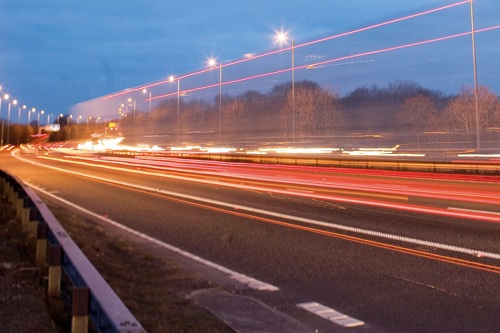
Lack of visibility, driver tiredness and adverse weather conditions during autumn and winter can all increase the risk of collisions, according to safety charity Brake.
“As the nights get longer, it is vital that drivers are fully aware of the dangers of driving in the dark, and that driving tired can be fatal,” said the group’s senior public affairs officer Samuel Nahk.
He urged motorists to ensure they are well rested before setting off, to plan their journeys in advance and to avoid setting off in a car if they are tired or expect to become tired during the journey.
This comes after research commissioned by motorway service stations operator Roadchef found that a third of drivers admit to driving in the dark while tired.
Government statistics add that, across the year, 34% of road related injuries to car and motorcycle users happen between 6pm and 6am, despite far fewer cars being on the road during this period.
And latest research from car insurer Insurethebox points to an overall 14% increase in accidents across the UK after the clock change. Loss of daylight in the evening, it found, has a particularly marked impact with a 36% increase in accidents between 5pm and 8pm.
Earlier this year, the European Parliament voted to abolish the annual practice of moving the clocks forward by an hour in March, and then back again in October, from 2021. It is not yet clear whether Britain will adopt this measure after Brexit.
(Photograph: Highways England)


Join other savvy professionals just like you at CIHT. We are committed to fulfilling your professional development needs throughout your career
{{item.AuthorName}} {{item.AuthorName}} says on {{item.DateFormattedString}}: