
Progress on reducing deaths and serious injuries among road users has remained broadly stagnant for eight years, prompting concern among transport safety specialists.
Join other savvy professionals just like you at CIHT. We are committed to fulfilling your professional development needs throughout your career
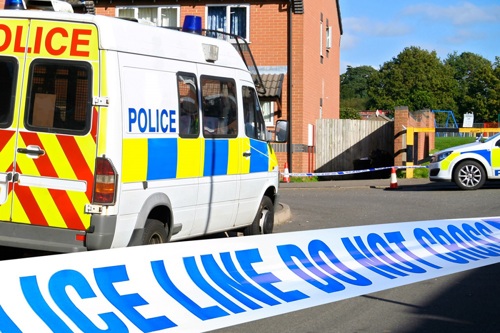
Statistics for 2018 were released by the Department for Transport on Friday, and show that there were 1782 reported deaths and 25,484 serious injuries in road traffic accidents last year.
This remains similar to the level seen every year since 2010 – which followed a period of substantial reduction – but when it comes to fatalities represents a 1% improvement on 2017.
“To have now seen virtually no change for eight years is not good enough and something really needs to be done,” commented Parliamentary Advisory Council for Transport Safety executive director David Davies. “We have had periods of increasing traffic and population in the past and been able to achieve substantial reductions.”
David Davies welcomed the Government’s recent Road Safety Statement, which set out 74 actions to help reduce casualties. But he described it as “conspicuously quiet” on speed management and said it is “unclear” how success will be measured against the proposed actions.
“Government is starting to concentrate on some of the right things, such as in depth investigation of collisions and researching graduated driver licencing,” he added. “But we need more action as soon as possible and to prioritise those measures with a proven link to large scale casualty reduction.”
The Royal Society for the Prevention of Accidents says that the figures demonstrate a need for dedicated road safety targets in England – something the Government committed to researching the effectiveness of in its Road Safety Statement.
RoSPA’s head of road safety Nick Lloyd said: “We believe the case has already been made for the introduction of road safety targets in England. They are already being used to great effect in countries including Norway, Ireland, New Zealand and Scotland, where they have already seen a 50% decrease in fatalities against a target of 40%.”
Further figures for 2018 show that car occupants accounted for 44% of road deaths, pedestrians 25%, motorcyclists 20% and pedal cyclists 6% last year. A 3% decrease in the number of pedestrians killed was seen alongside a 2% fall in cycling fatalities.
However among the over 60 demographic there was a 5% increase in road deaths to 586 last year, with over a third of these being pedestrians. There was also an increase in the proportion of child fatalities on foot.
Living Streets chief executive Joe Irvin said: “Designing streets which are safe for nine year olds and 90 year olds – with 20mph speed limits, streets free from parked cars and investment in effective behaviour change programmes – will make them safe for everyone and encourage more people to choose this cleaner and healthier way to travel.”
(Photograph: IAM Roadsmart)


Join other savvy professionals just like you at CIHT. We are committed to fulfilling your professional development needs throughout your career
{{item.AuthorName}} {{item.AuthorName}} says on {{item.DateFormattedString}}: