
Improvements to footway condition are being called for after new research showed that close to a third of older people feel they are prevented from walking more because of cracked and uneven pavements.
Join other savvy professionals just like you at CIHT. We are committed to fulfilling your professional development needs throughout your career
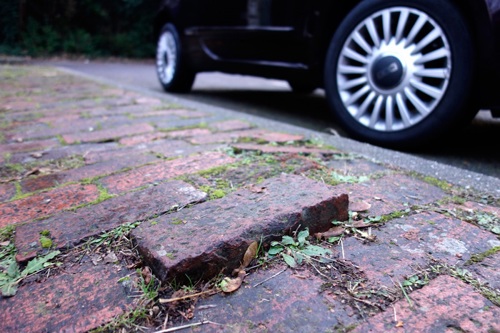
The figure comes from a survey by Living Streets, results of which have been published today to coincide with the start of the charity’s National Walking Month initiative.
A quarter of people over 65 said that obstructions on pavements including parked cars and street furniture stopped them from walking more or at all on their local streets while motorists driving too quickly was also a concern. In contrast half said they would walk more if footways were well maintained, and 28% if there were lower speed limits for vehicles.
“If we all viewed our streets through the lens of an older adult – or a child, a wheelchair user or someone living with sight loss – we would soon begin to understand how unfit for purpose a lot of them are,” said Living Streets chief executive Joe Irvin.
“Having well maintained and clear pavements would help older adults walk more. We want local authorities to be reassessing their streets and seeing how they could be made better for people aged nine and 90, and therefore better for everyone.”
Living Streets says councils currently invest around 12% of their local transport infrastructure funding on walking and cycling, which the charity would like to see increased to at least 15%.
Further results from the survey show that the main things older people enjoy while walking on their local streets include getting exercise (74%), getting out of the house (67%) and getting fresh air (65%). Seventeen percent said that better air quality would make them more likely to walk than they do currently.
A Local Government Association spokesman said: “Councils are fixing a pothole every 17 seconds, but funding challenges remain for local authorities to deal with long term maintenance of their local roads and pavements needed to address a near £10Bn backlog of repairs to provide better roads that are safer and more resilient to constant use.
“This is why we have called on the Government to also invest the equivalent of 2p of existing fuel duty to bring our roads up to scratch. Long term funding will help to avoid more costly short term repairs. The Government needs to address this in the forthcoming Spending Review.”
(Photograph: Alastair Lloyd)


Join other savvy professionals just like you at CIHT. We are committed to fulfilling your professional development needs throughout your career
{{item.AuthorName}} {{item.AuthorName}} says on {{item.DateFormattedString}}: