
In association with Re-flow
The importance of carbon measurement is now well understood across infrastructure, and the next progression is turning carbon data into better decisions. But as carbon management becomes increasingly embedded within infrastructure procurement and delivery, many organisations are discovering that measuring emissions after work has been completed is no longer enough.
Across the sector, clients are placing greater emphasis on carbon accountability, evidence-based decision making and demonstrable progress towards net-zero objectives. National Highways, for example, requires supply-chain carbon reporting and has committed to achieving net-zero maintenance and construction emissions by 2040, supported by PAS 2080-accredited carbon management processes.
As organisations respond to expectations associated with PAS 2080 and major frameworks such as M&R2, the challenge is no longer just producing carbon reports, it's having the operational data, processes and visibility needed to understand where emissions arise, identify opportunities for improvement, and provide credible evidence to clients and stakeholders.
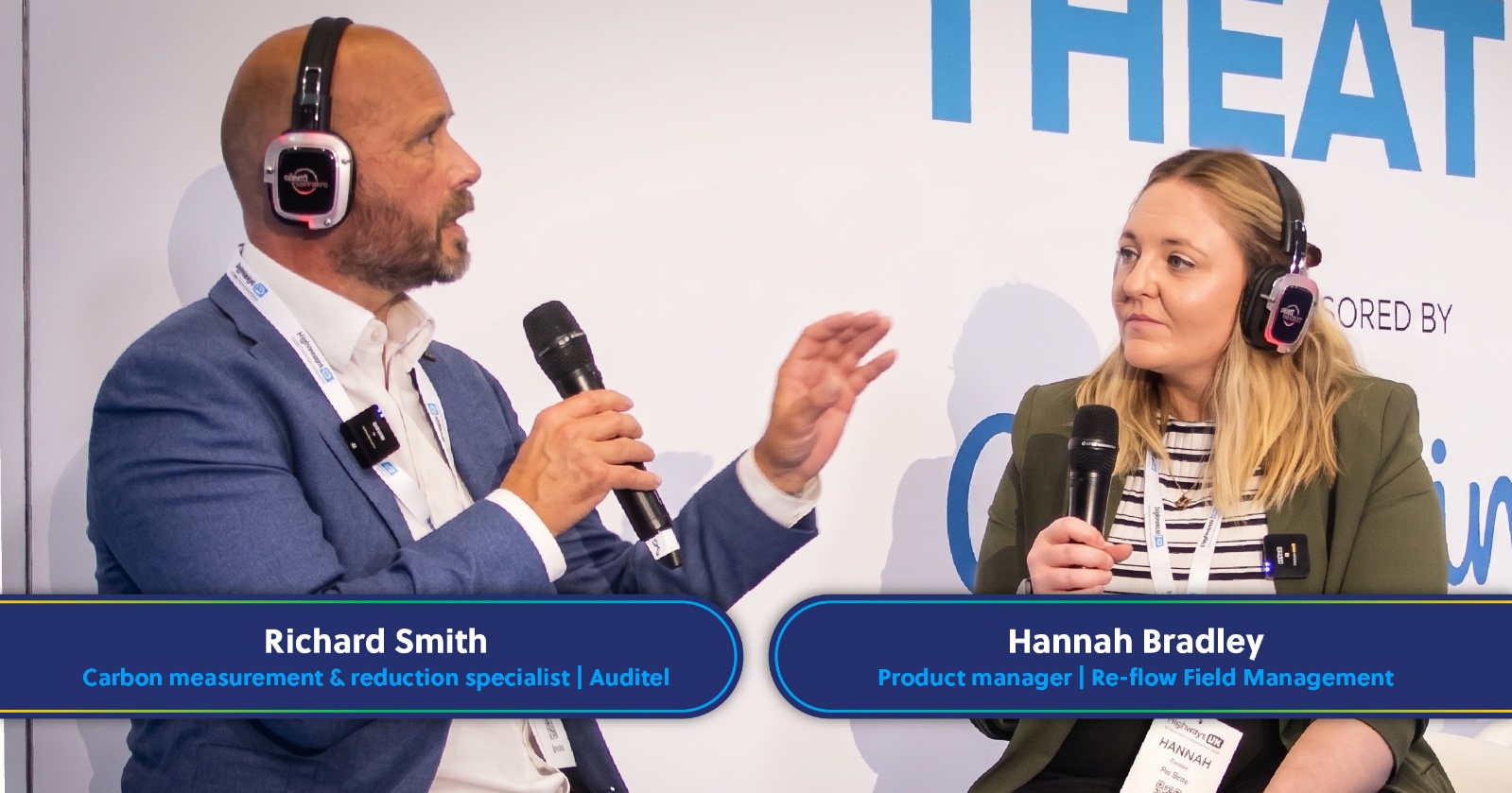
This shift was a key theme explored by Hannah Bradley, Product manager at Re-flow, and Richard Smith, Carbon reporting & reduction specialist at Auditel, during a recent PAS 2080 webinar and their joint speaker session at Highways UK. Continuing the conversation, they'll also be discussing the practical realities of PAS 2080 implementation at The National Civils Show on 25th November.
The conversation has moved beyond reporting
Carbon reporting is often viewed as a sustainability exercise that happens at the end of a project, driven by spreadsheets, specialist consultants, or annual reporting requirements. However, PAS 2080 was not purely intended to be a reporting standard, at its core, PAS 2080 is actually a framework for managing carbon throughout the whole lifecycle of infrastructure. It encourages organisations to make better decisions, identify opportunities for reduction, and create a culture of continual improvement. The emphasis isn't simply on reporting emissions, but on understanding them.
As M&R2 raises expectations around how carbon is measured and managed across projects, the industry is entering a new phase. Success will depend less on producing reports and rely more on having the operational processes needed to generate reliable evidence in the first place.
Carbon is following the same path as health and safety
There are clear parallels with the evolution of health and safety. Twenty years ago, as Auditel’s Richard Smith said in Re-flow’s recent webinar, health and safety was often treated as a compliance exercise, but today, it's embedded into every aspect of project delivery, from site inductions and inspections through to near-miss reporting and workforce engagement – and rightly so.
Carbon management is heading in the same direction. Clients increasingly expect carbon considerations to be built into project planning, material selection, plant usage, logistics, and day-to-day operations. The organisations that will thrive are those that make carbon management part of business-as-usual activity, rather than treating it as a periodic reporting obligation.
The challenge is that unlike a safety incident, carbon is not so visible, and therefore the impact of inefficient plant usage, unnecessary journeys, or material waste can be difficult to spot. Identifying and reducing these impacts depends on comprehensive data capture.
The industry already has more data than it thinks
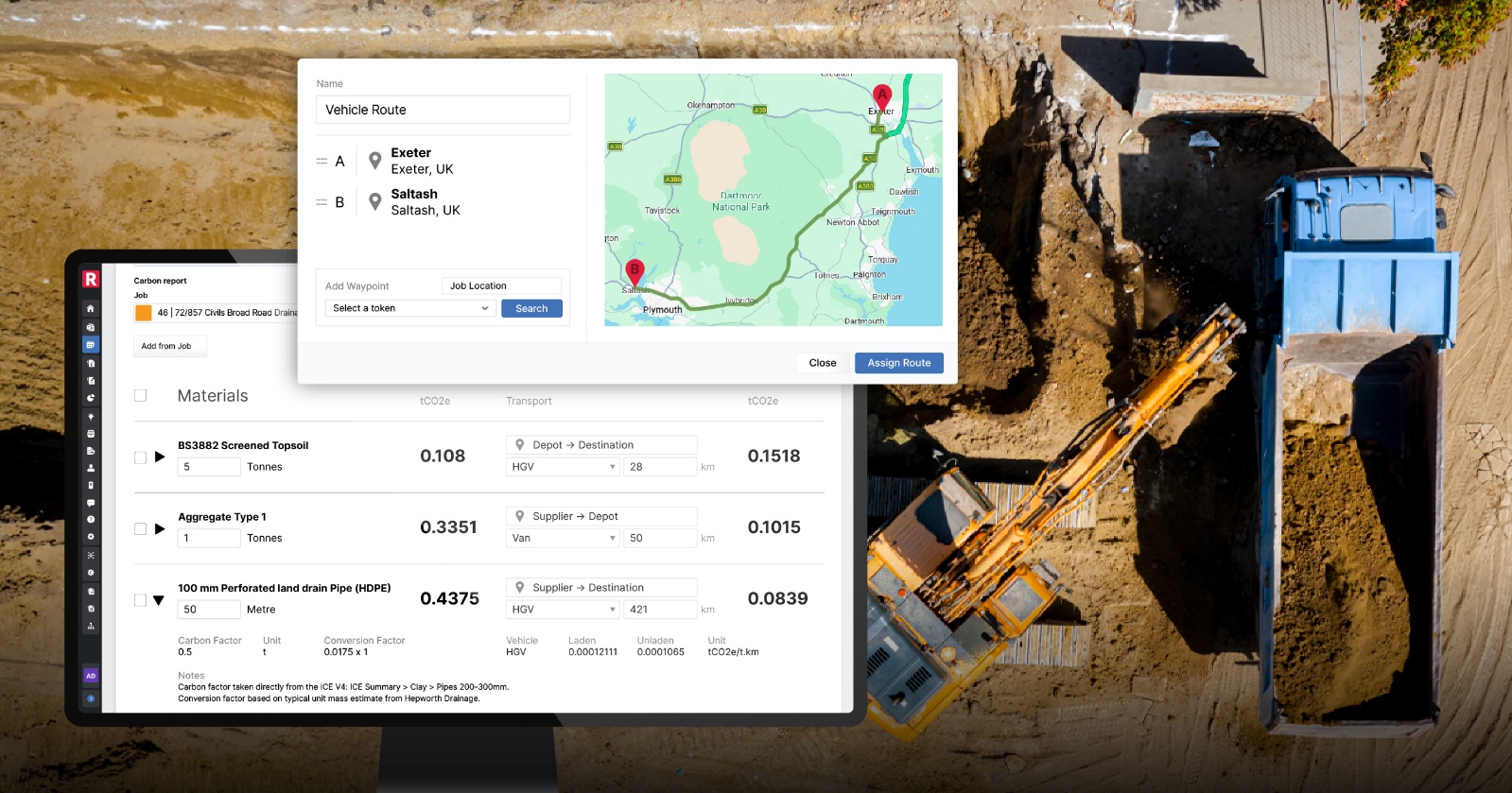
When organisations begin exploring PAS 2080 compliance, the main concern is often around whether they actually have the data. Yet, in reality, most contractors already capture a significant proportion of the information required to support carbon reporting. There is rarely a lack of data, just a lack of visibility. Across highways, civil engineering, utilities, and infrastructure projects, businesses routinely record:
Every one of these operational records contains information that can contribute towards understanding carbon impact.
The issue is that the data often exists in separate systems, spreadsheets, paper forms, inboxes, or disconnected workflows. By the time reporting requirements arrive, organisations find themselves trying to piece together months of information retrospectively, creating inefficiency, and inaccurate reporting.
M&R2 reflects a growing focus on carbon accountability
The forthcoming M&R2 framework reflects a wider shift across the infrastructure sector towards greater carbon accountability.
As clients pursue net-zero targets and place greater emphasis on whole-life carbon management, contractors are increasingly expected to evidence not only what was delivered, but how it was delivered and its environmental impact. National Highways' supply-chain carbon reporting requirements, PAS 2080-accredited carbon management approach and commitment to net-zero maintenance and construction by 2040 demonstrate the direction of travel.
With quality reportedly carrying a 60% weighting in M&R2 evaluations, contractors should consider how they demonstrate environmental performance, carbon management, and operational excellence as part of their overall proposition.
The next challenge goes beyond compliance to readiness
For many organisations, the focus is now shifting from carbon reporting itself to the quality and availability of the information that underpins it.
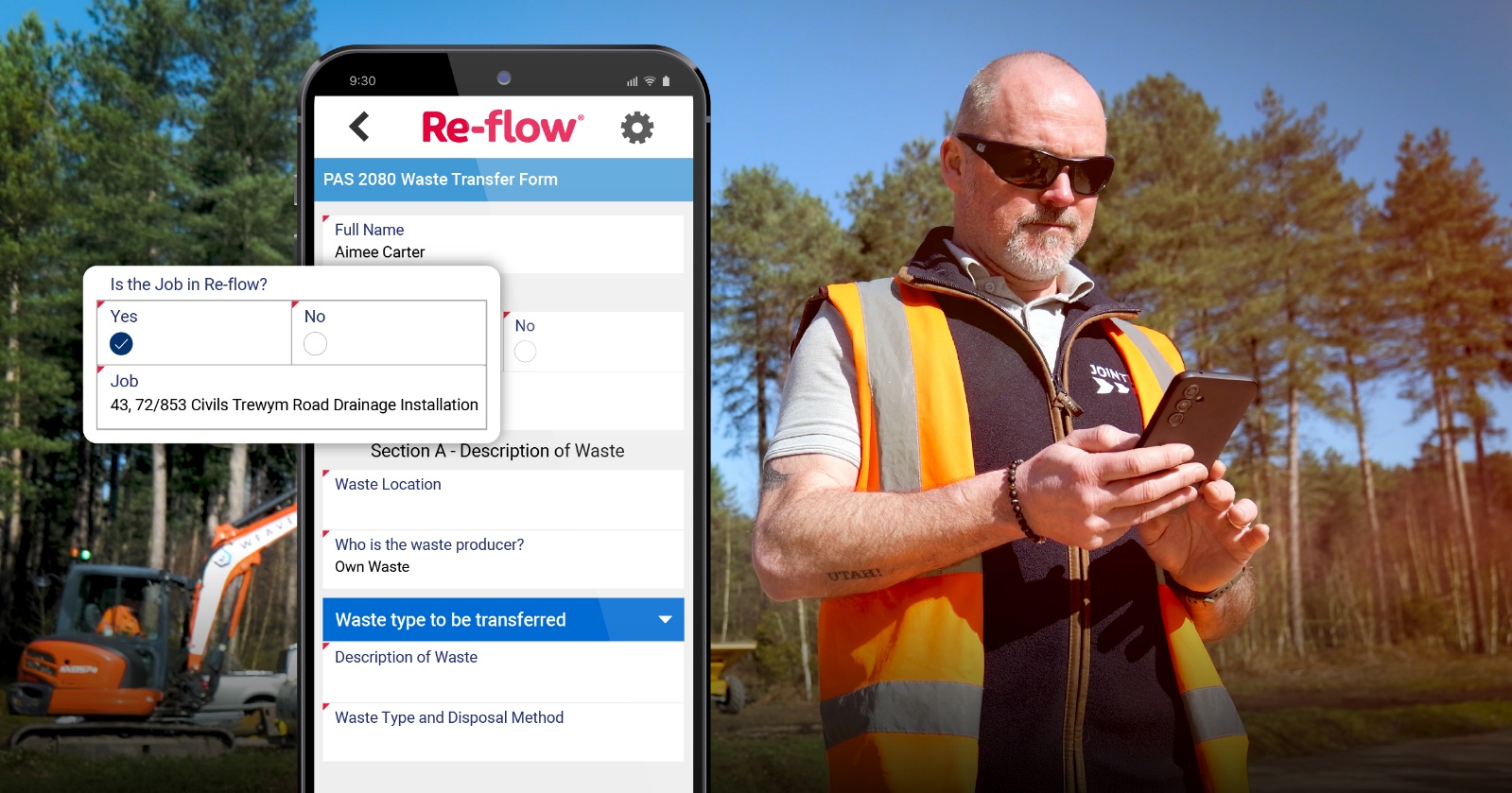
This is where operational technology has a critical role to play. When activities such as plant usage, material deliveries, waste movements, and site inspections are recorded digitally, they create a reliable evidence base that can support both carbon reporting and carbon reduction initiatives.
Rather than relying on retrospective reporting, organisations can embed carbon considerations into day-to-day operations, improving visibility, reducing administrative effort and providing greater control from the outset. As client expectations continue to evolve, the organisations best placed to respond will be those that can turn operational activity into meaningful evidence, not just at reporting stage, but throughout project delivery.
For information on how Re-flow can aid your carbon management journey, visit re-flow.co.uk/pas-2080-carbon-management.
About Re-flow
Re-flow provides field management software for infrastructure, highways, civil engineering, traffic management, utilities, and groundworks contractors. By connecting operational processes such as inspections, forms, asset management, workforce management, and site reporting, Re-flow helps organisations improve efficiency, strengthen compliance, and gain greater visibility over project delivery. Learn more at re-flow.co.uk.


